Please add image or text logo


Here is our monthly round-up of news, tips and ideas to make the most of your garden this April!
Spring has sprung at last! April is typically a busy month in the garden as the new growing season begins – there is plenty to be done to keep your green fingers occupied this month.
With warmer weather and longer days, it’s the perfect time to roll up your sleeves and start turning your gardening plans into reality.
Both of our centres will be open as usual throughout the Easter bank holiday weekend!
Good Friday: 08:00am – 05:00pm
Easter Saturday: 08:30pm – 05:00pm
Easter Sunday: 10:00am – 04:00pm
Easter Monday: 08:00am – 05:00pm
Good Friday: 08:00am – 05:00pm
Easter Saturday: 08:30am – 05:00pm
Easter Sunday: CLOSED
Easter Monday: 08:00am – 05:00pm
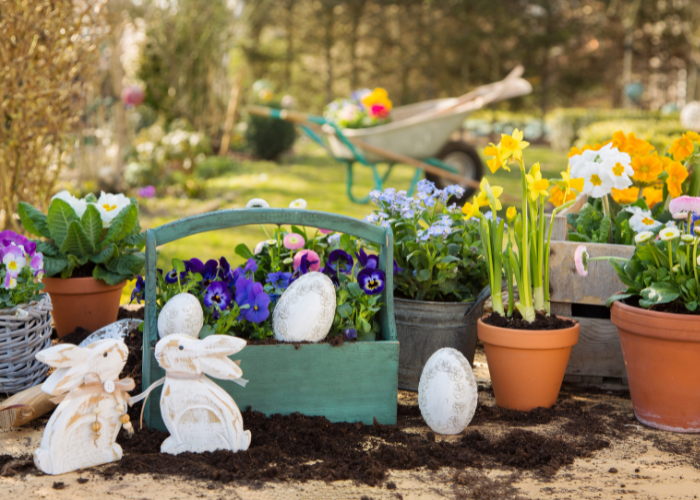
Make the most of longer April days by getting your garden ready for plenty of sowing and growing during spring and summer.
Here are some important gardening jobs for April:
• Undertake the first garden mow of the year – After a few months of slow growth, April sees the return of this familiar garden ritual. Remember to clear away any dead leaves and debris before doing so. If you can, leave a section of your garden completely alone to benefit your local wildlife!
• Stock up on annual plants – Prepare gorgeous summer displays by purchasing annual plants such as geraniums and petunias that are perfect for summer bedding and vibrant hanging basket displays. Visit our Midgley centre to view our range of flower seeds.
• Get your flower beds ready for growing – Dig a layer of compost or manure into your flower beds in preparation for the growing season.
• Deadhead spring bulbs – Continue to deadhead spring bulbs at the end of their growing period, so that they do not waste energy setting seed.
• Clean your patio and decking – Ensure you can make the most of your outdoor space this spring by cleaning your patio and decking with a stiff broom and hose or a pressure washer.
• Increase watering – Houseplants and produce growing in containers need more watering in April, as these dry out more quickly than plants in the ground.
• Plant exotic summer bulbs – Such as dahlias, cannas and gladioli.
• Tackle weeds – Keep on top of weeds, as this time of year is when they are trying their best to take over your garden.
• Clean your greenhouse – Maximise light levels and ventilate your greenhouse on warm days to avoid plants becoming stressed due to extreme temperatures.

Explore family-friendly Midgley this Easter!
We have two nature trails of differing lengths at Midgley for you to explore, with historical facts about the area dotted throughout – follow the nature trail in search of magical fairies, designed by local artist Lanson Moore.
Our Midgley Centre is your one stop shop for:
• Gardening and landscaping essentials
• Sheds, stores and outdoor buildings
• Driveway and garden gates
• A huge range of timber fencing
• Garden furniture, arches and arbours
• Patios and decking
• Decorative gravels and aggregates
• Sawn, planed and round timber
You can also visit our Little Acorn coffee stop – our vintage horse box turned cafe serves hot and cold and drinks and a variety of tasty snacks, including Yummy Yorkshire ice cream.
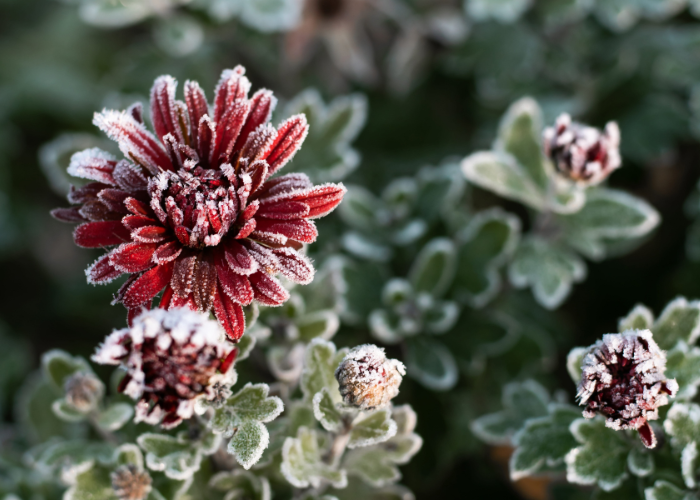
The Royal Horticultural Society (RHS) hardiness rating system is a simple way to gauge how well your plants will tolerate cold temperatures, ideal for helping UK gardeners choose plants that will survive winter.
• H1 – Tender plants such as tropical and subtropical varieties need protection indoors in frost-free areas.
• H2–H3 – Half-hardy plants can handle some cool weather, but not frost.
• H4–H7 – Hardy plants are safe outside through most UK winters.
Discover how hardy your plants are using RHS Find a plant!
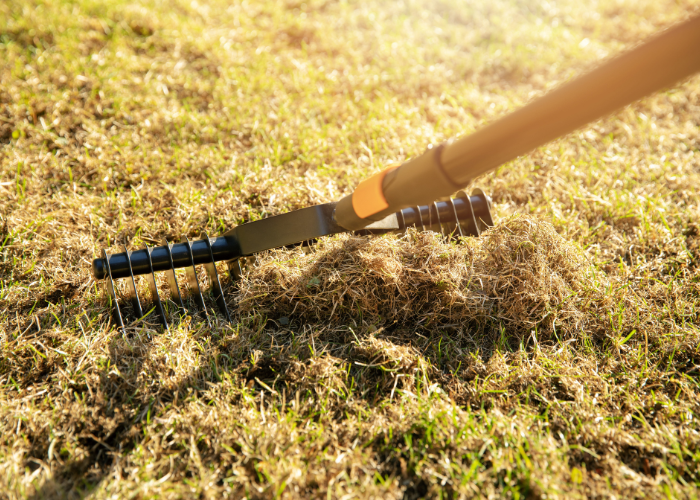
Scarifying your lawn at least once a year helps to keep the grass in good shape, and April is an ideal time to do this as your grass will now be growing strongly.
Scarifying clears away excess thatch (the brown layer that builds up beneath the green grass blades) which can block new growth, restrict water and nutrients from reaching the roots, and encourage moss growth.
Use a flexi-tined lawn rake to gently rake the thatch, making sure to leave a small amount behind to protect the lawn. Ensure you do not rake to roughly to avoid damaging the grass. To ensure the thatch comes out evenly, rake in different directions.
After scarifying, it’s best to aerate the lawn by using a garden fork to make holes in the soil at regular intervals. You may also want to apply a fertiliser to encourage strong, healthy regrowth.
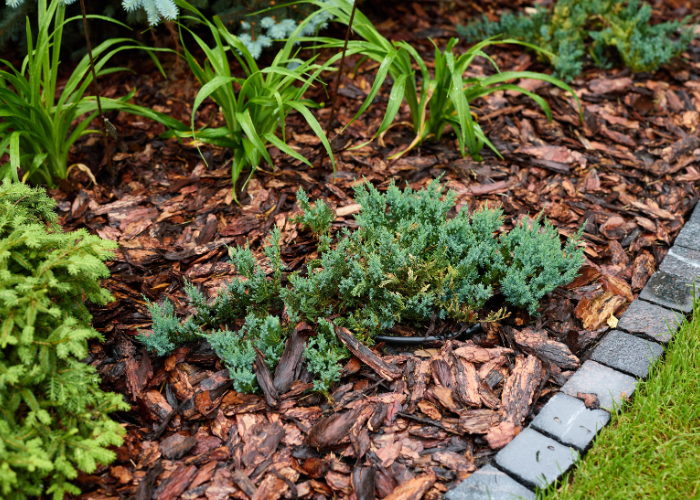
Late April is the ideal time to add mulch to your garden with the weather getting warmer, as it helps protect against dry spells and reduces future weed build up.
We have a comprehensive range of garden compost and mulch available in-store and online.
This includes our top grade, own-brand forest mulch – which is made on site and is available in bags or bulk. We also stock the renowned Levington compost, decorative forest bark, farmyard manure and top soil.
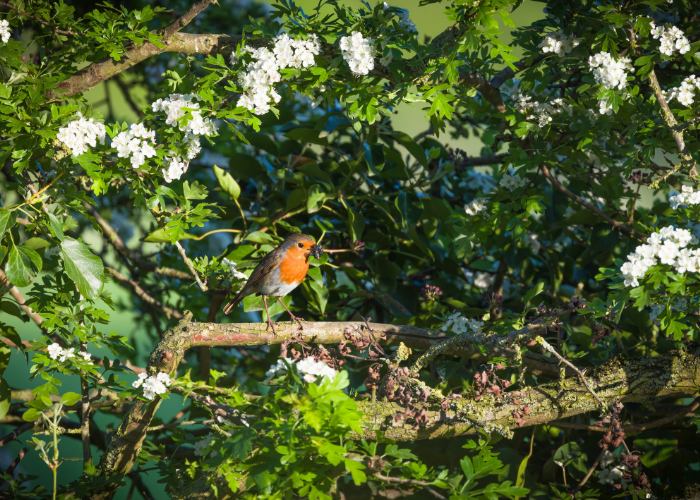
Nesting season is well underway during spring, with adult birds on a quest to find extra food for their fledgelings.
You can help by leaving some parts of your garden undisturbed. If you can, leave some of your hedges and shrubs untrimmed for birds to nest in.
You can also help our feathered friends by making sure you keep bird feeders well stocked.
Discover our full Birdcare and Wildlife range here.
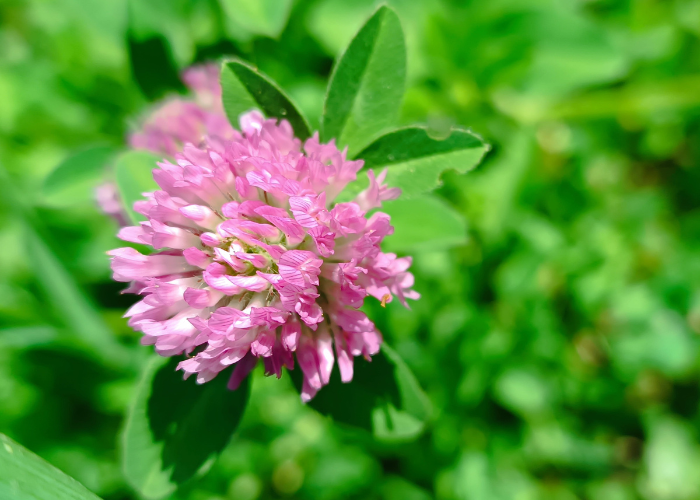
Several plants that are often considered as weeds can actually benefit wildlife, providing food and habitats, especially early in the year when nectar and pollen are scarce. Letting a few weeds grow in wilder areas of your garden is a simple way to help support local biodiversity.
• Green alkanet – With its clusters of small blue flowers, green alkanet is very popular with bees and hoverflies.
• Rosebay willowherb – Often seen along roadsides and field edges, rosebay willowherb plants are a useful nectar source for pollinators. They also support several species of moth, including the elephant hawk-moth.
• Dandelions – One of the earliest flowers to appear in lawns and borders, dandelions are an important source of nectar and pollen for bees and hoverflies in spring. Their bright yellow flowers can also bring a welcome splash of colour to the garden.
• Nettles – Nettles are a vital food source for many insects. The leaves support the caterpillars of butterflies such as the small tortoiseshell and peacock.
• Red clover – If allowed to grow, red clover produces attractive pink-red flowers that are rich in nectar. These blooms are especially loved by bumblebees, while small mammals like wood mice may nibble the leaves.
• Creeping thistle – Creeping thistle is extremely attractive to pollinators. Butterflies such as painted ladies, peacocks and small tortoiseshells are frequent visitors, along with bees and hoverflies. Later in the season, the seeds can also provide food for goldfinches.
While it’s still a good idea to keep weeds under control in beds and borders, leaving a few in the right places can help turn your garden into a welcoming space for pollinators and other wildlife!
• Tomatoes – Sow tomato seeds indoors. These can be planted outside once all risk of frost has ceased.
• Broad Beans – Sow these directly into the ground. This will result in a fantastic summer crop between July and August.
• Cauliflower – Sow cauliflower seeds outside towards the end of this month. Cauliflowers do best in very fertile soil, and require plentiful watering.
• Courgettes – Sow courgette seeds indoors. When seedlings appear, move the stronger ones to bigger pots and dispose of any weaker seedlings. They will be ready to plant outside in late spring.
• Second-early and Maincrop Potatoes – Second-earlies, or new potatoes, will be ready to harvest in July or August if planted now, and are best eaten fresh as they do not store for long. Maincrop potatoes, which are ideal for baking, roasting and mashing, will be ready to harvest from August to October and can be stored for a few months.
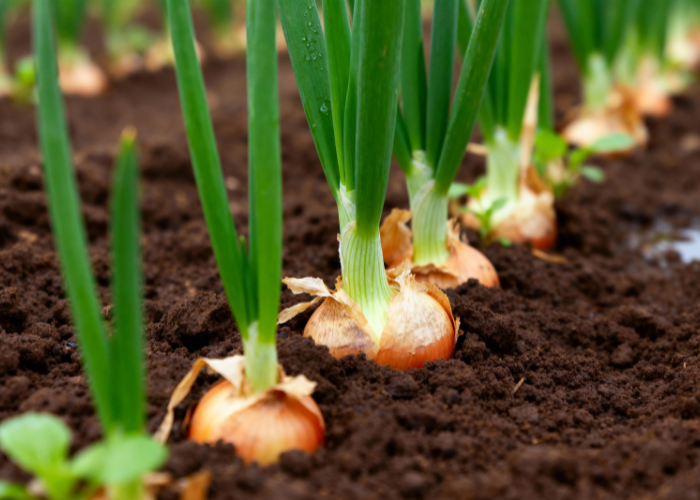
• Garlic and Onions – Extend the cropping period of garlic and onions by planting in small batches every few weeks.
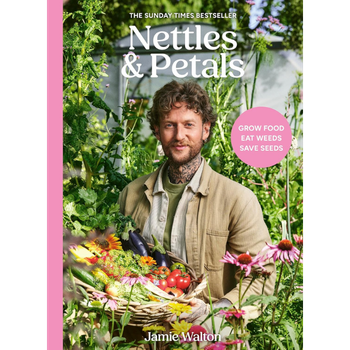
Nettles & Petals: Grow Food. Eat Weeds. Save Seeds/strong> by Jamie Walton
A compelling call to change the way we think about gardening and growing food, Nettles and Petals is the only guide you need to make your garden more sustainable.
Full of essential information and inviting imagery, this accessible guide provides a holistic and ecological approach to gardening and vegetable growing. With a focus on biodiversity, soil health, and the creation of balanced ecosystems, Nettles and Petals is a must-read for any budding gardener.
Available from Amazon here.
“In the spring, at the end of the day, you should smell like dirt.”
– Margaret Atwood

Sales and advice  01924 830055