Please add image or text logo



Read our latest round-up of seasonal news, practical tips and expert advice to help you make the most of your garden this winter.
There’s still plenty to keep green-fingered gardeners busy. A little time spent outdoors now will pay dividends when spring arrives, whether you’re planting trees, pruning dormant shrubs or simply looking after the wildlife that shares your garden.
At Earnshaws, we’re fully prepared for the colder months. Christmas trees are available throughout the festive season and our birdcare and animal feed ranges are fully stocked, along with quality garden tools, firewood and fuels to help you stay warm – whatever the winter weather brings.
December is an ideal month for carrying out many important maintenance jobs.
• Tidy borders – without overdoing it – Remove any diseased foliage and clear away plants that have completely died back. However, don’t be too eager to tidy every corner of the garden. Hollow stems, seed heads and leaf piles provide valuable shelter for insects and other wildlife throughout winter.
• Plant trees and shrubs – Winter remains one of the best times to establish deciduous trees, hedging and shrubs while they’re dormant. The cooler weather encourages strong root development before spring growth begins. Water well after planting and apply a generous mulch to help conserve moisture and suppress weeds.
• Protect vulnerable plants – Move tender container plants into a greenhouse, shed or sheltered position. Wrap vulnerable pots with fleece or bubble wrap to protect roots from prolonged frost.
• Keep paths and patios safe – Regularly sweep away wet leaves and moss to prevent slippery surfaces. Stock up on rock salt and de-icer before freezing weather arrives.
• Feed the birds – Natural food becomes scarce during winter. Keep feeders topped up with high-energy seed mixes, suet and peanuts, and remember to provide fresh water each day.
• Check fences, gates and sheds – Winter storms can quickly expose weak posts or damaged panels. Carrying out repairs now can prevent more costly work later.
• Continue planting spring bulbs – If the ground isn’t frozen, there’s still time to plant tulips and other late bulbs for colourful spring displays.
Visit either of our centres for quality gardening tools, composts, fencing products and everything you need to keep your garden looking its best throughout winter.
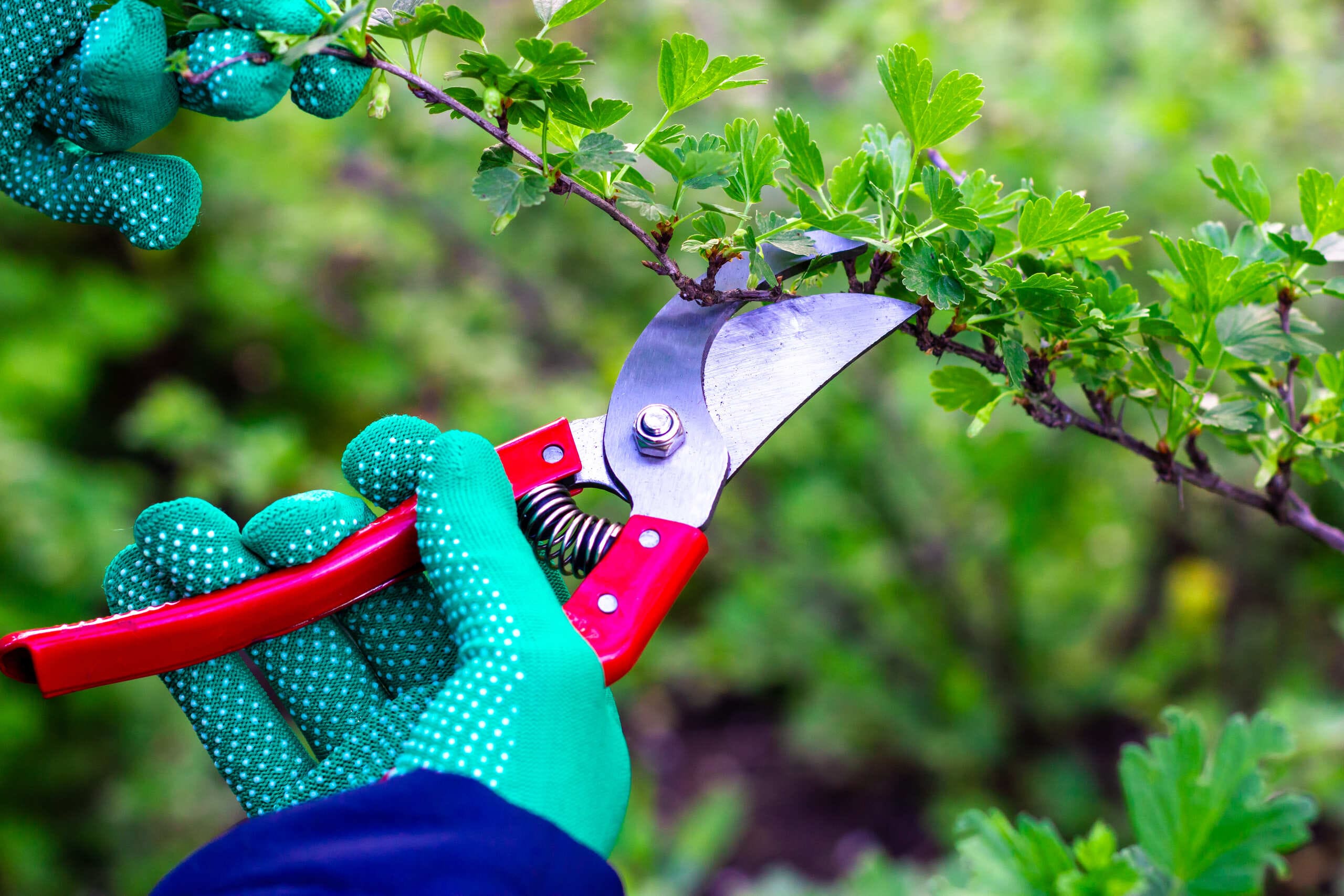
One of the biggest gardening advantages of December is that many trees and shrubs are now fully dormant, so it’s easier to see the structure of plants and make clean, effective pruning cuts.
Winter pruning encourages vigorous new growth in spring, improves airflow, reduces the risk of disease and helps maintain an attractive shape.
Apple and pear trees
Remove dead, damaged and crossing branches to create an open framework that allows plenty of light and air into the canopy. Good winter pruning encourages healthier growth and better fruit production next year.
Blackcurrants and gooseberries
Cut out old, unproductive stems to encourage fresh, vigorous shoots that will produce heavier crops.
Grape vines
December is one of the best times to prune grapevines before sap begins to rise in late winter. Cut back this year’s growth to establish a productive framework.
Wisteria
After its summer trim, December is the time for the second prune. Shorten side shoots to just two or three buds to encourage spectacular flowering next spring.
Climbing and shrub roses
Remove dead, diseased and weak stems, shorten long shoots to prevent wind damage and begin shaping the plant ahead of spring.
Deciduous ornamental trees
Species including birch (before sap starts rising), hornbeam, lime, beech and rowan can all benefit from careful structural pruning during dormancy.
Always use sharp, clean secateurs or loppers to make neat cuts and reduce the risk of disease entering the plant.

There’s nothing quite like a real fire on a cold winter’s evening.
Both our Brigg and Midgley centres stock Ready to Burn kiln-dried logs, air-dried logs, smokeless fuels, kindling and firelighters and a fantastic selection of fireside accessories.
We also offer delivery throughout our normal delivery areas.
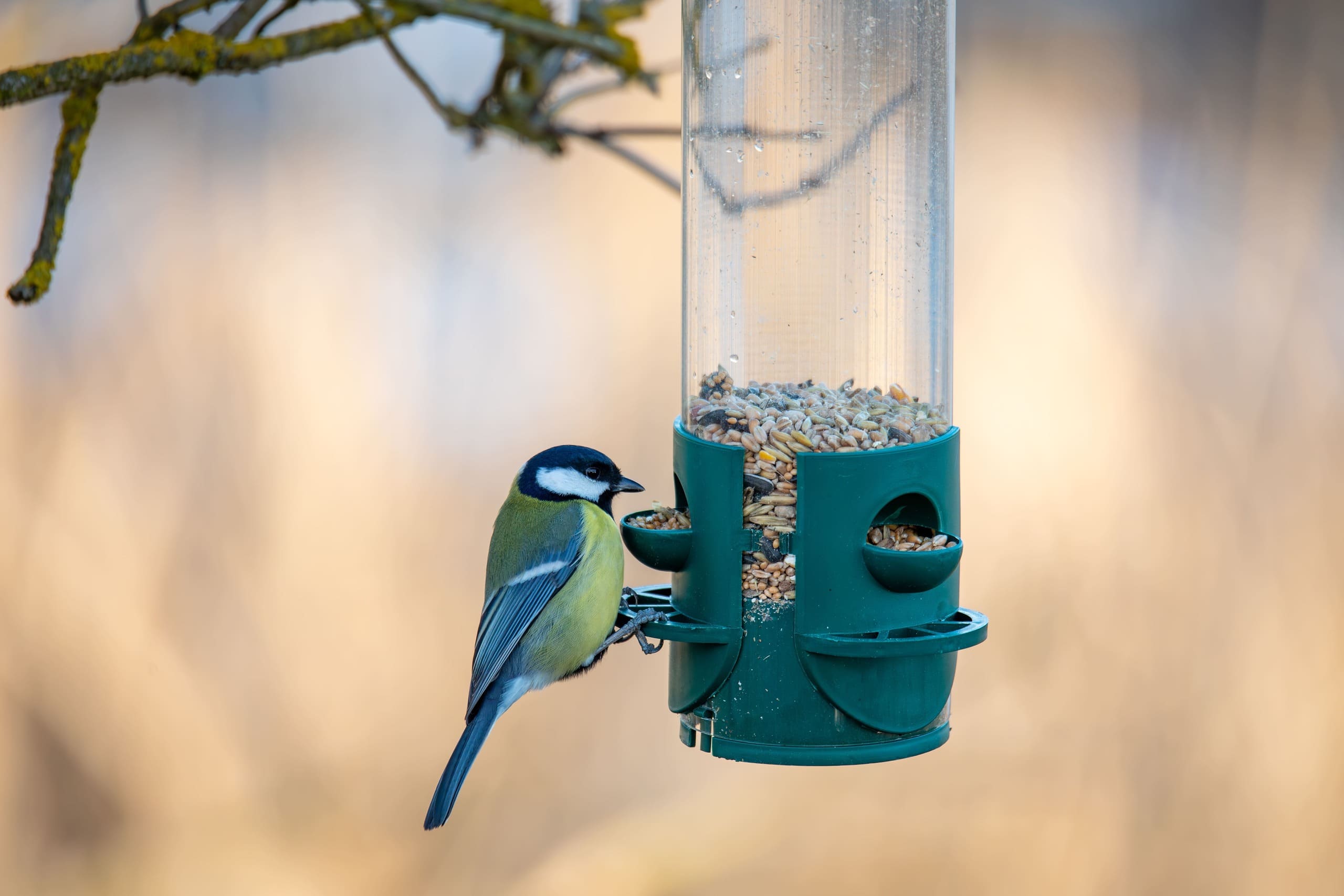
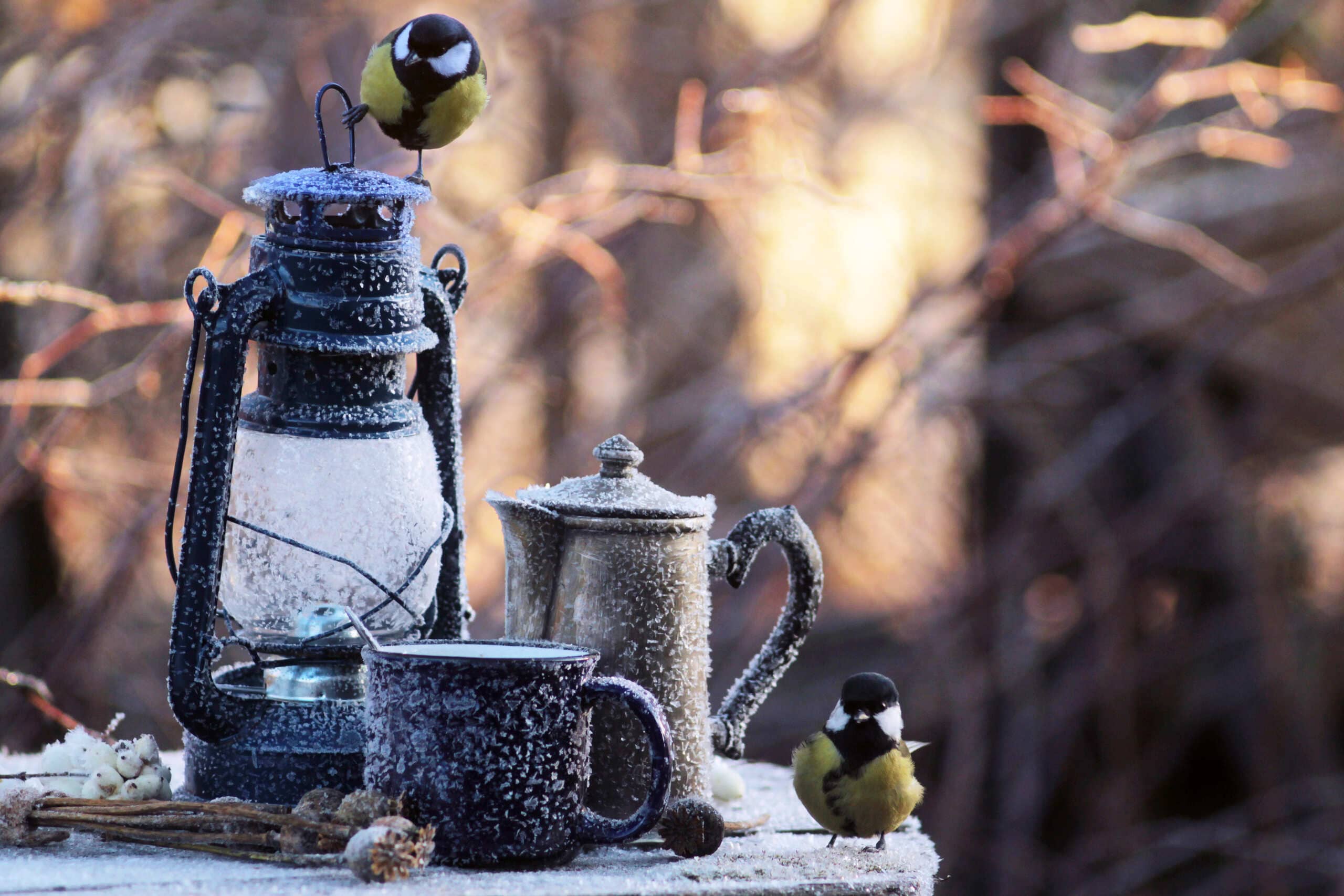
Winter can be one of the toughest seasons for garden wildlife. Food supplies become scarce, water freezes and shelter is harder to find, making a little help from gardeners invaluable.
Here are a few simple ways to support wildlife throughout December:
• Keep bird feeders topped up with seed, suet and peanuts.
• Break ice on bird baths each morning and replace with fresh water.
• Clean feeders regularly to reduce the spread of disease.
• Leave seed heads standing wherever possible to provide natural food.
• Create log piles in quiet corners to provide shelter for insects and small mammals.
• Avoid disturbing compost heaps or leaf piles where hedgehogs and insects may be overwintering.
• Continue leaving suitable food out for hedgehogs while it is still being eaten.
Our centres stock a comprehensive range of bird tables, nest boxes, feeders and RSPB-approved bird food to help your garden wildlife thrive throughout the winter.
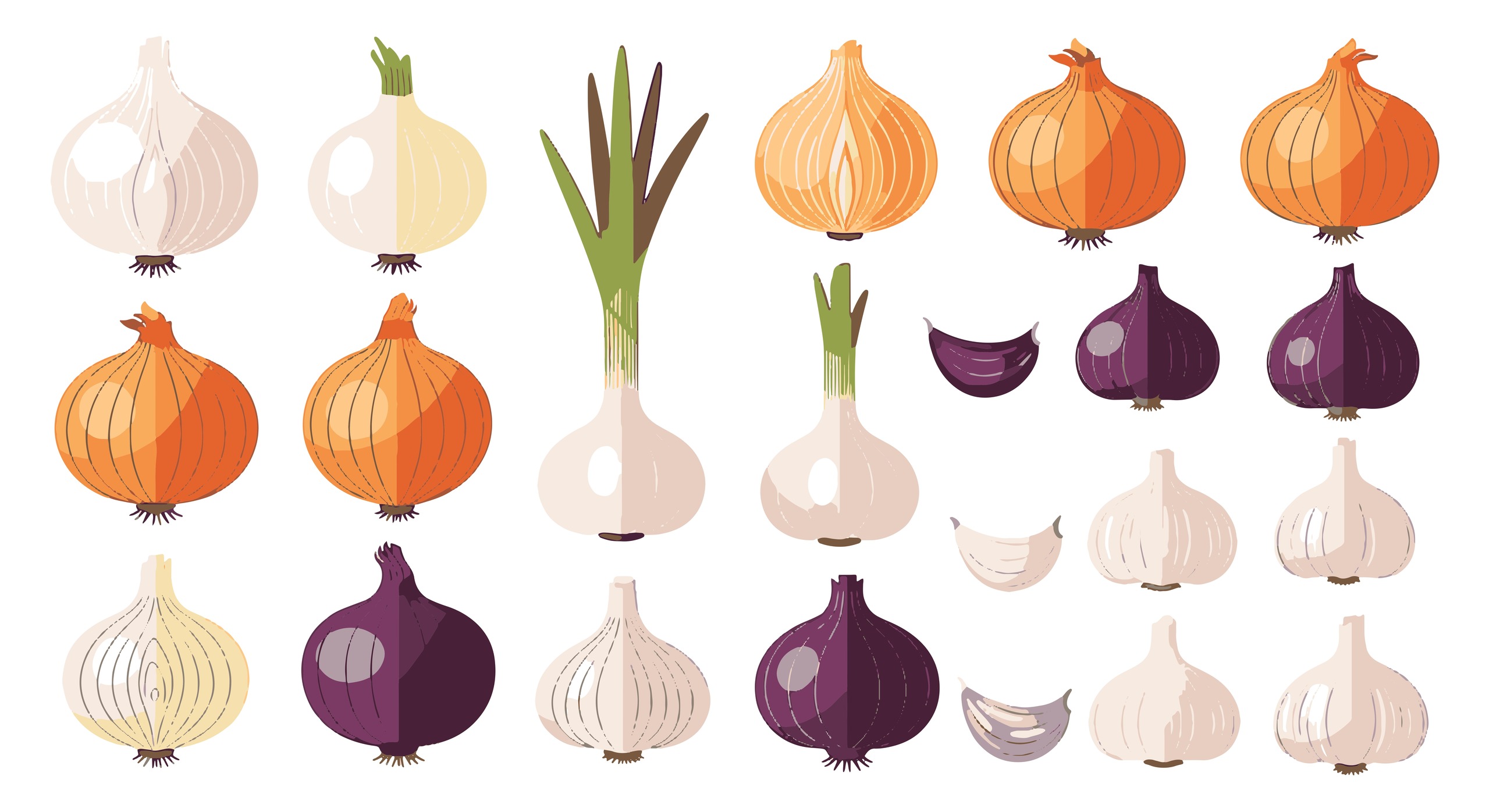
Although outdoor sowing is limited, there’s still plenty to keep productive gardeners busy.
Garlic
Plant hardy varieties into well-drained soil for harvesting next summer.
Broad beans
Start seeds in pots or modules under cover for an early crop next year.
Onions
Winter varieties can still be started indoors before planting out in late winter.
Sweet peas
Sow in deep pots in an unheated greenhouse or cold frame to produce sturdy plants ready for spring.
Microgreens
If you’d like fresh home-grown produce during winter, sow mustard, pea shoots or salad leaves on a sunny windowsill for harvesting within weeks.
Rhubarb
Plant dormant crowns while the ground remains workable to establish productive plants for years to come.
We spend most of the year helping you make the most of your outdoor space, but at Christmas we bring a little of the outdoors inside too.
Our locally grown, freshly cut Christmas trees are available throughout the festive season, with each tree carefully netted for easy transport. Whether you’re looking for the soft needles and excellent needle retention of a Nordmann Fir or the wonderful traditional fragrance of a Norway Spruce, our friendly team will be happy to help you choose the perfect centrepiece for your home.
While you’re visiting, don’t forget to browse our fantastic range of seasonal gifts for gardeners, practical stocking fillers and winter essentials.
After choosing your tree, why not pick up a hot drink at The Little Acorn – the perfect way to round off your Christmas visit.
A little preparation can help your Christmas tree stay fresh and looking its best right through to the New Year.
Hydrate your tree
Before bringing your tree indoors, trim around 2–5cm from the base of the trunk to expose fresh timber. Place it in a bucket of water overnight if possible.
Keep the water topped up
Choose a stand that holds water and check it every day. A freshly cut tree can absorb surprising amounts of water during its first week indoors.
Position it carefully
Keep your tree away from radiators, underfloor heating outlets, wood burners and other direct heat sources. A cooler room will help reduce needle loss and keep the tree looking fresher for longer.
Recycle after Christmas
Once Christmas has passed, take your tree to your local recycling centre or council collection point where it can be chipped into mulch or composted. Smaller branches can also be shredded and added to your own compost heap.

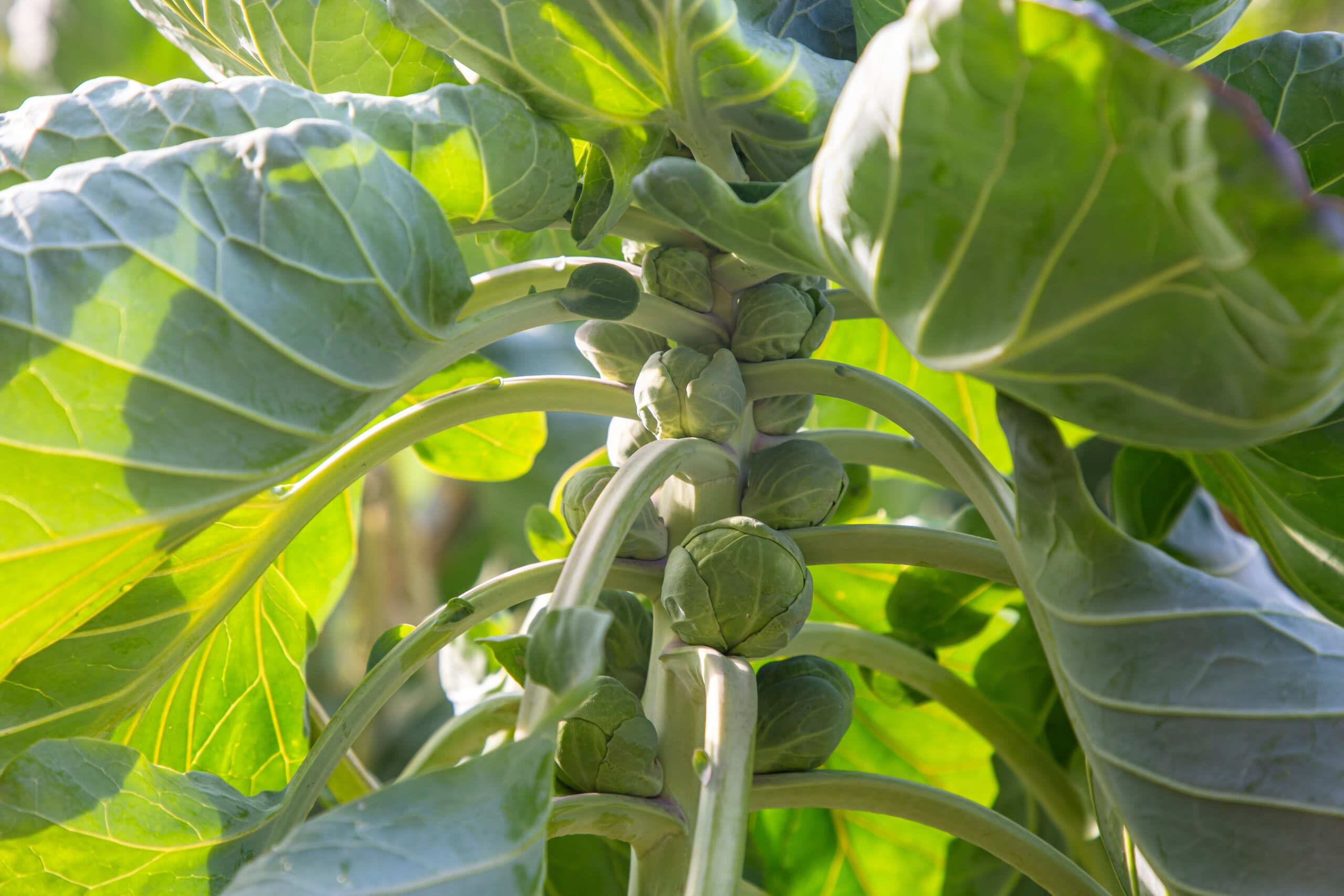
Even in the depths of winter there’s still plenty of fresh produce available from the vegetable garden.
Brussels sprouts
Harvest from the bottom of the stalk upwards, picking only the firmest sprouts and allowing the smaller ones higher up to continue developing.
Kale
One of the hardiest winter vegetables, kale actually develops a sweeter flavour after a few frosts. Harvest the outer leaves regularly to encourage fresh growth.
Leeks
Lift as required throughout winter using a fork to loosen frozen ground if necessary.
Parsnips
Frost improves their flavour by converting starches into sugars, making December one of the best times to enjoy freshly lifted parsnips.
Winter cabbage
Harvest firm heads as they mature, cutting just above ground level. Healthy plants may produce smaller secondary heads afterwards.
Winter salads
If you’ve been growing salad leaves, lamb’s lettuce or mizuna under cloches or in a greenhouse, continue harvesting little and often.

Garden Style: A Book of Ideas
A beautiful coffee table book and a generous Christmas gift! – by Heidi Howcroft and Marianne Majerus.
“The glory of gardening: hands in the dirt, head in the sun, heart with nature.”
— Alfred Austin

Sales and advice  01924 830055