Please add image or text logo



Here is our monthly round-up of news, tips and ideas to make the most of your garden this November!
Before winter really takes hold, November offers one last opportunity to prepare your garden for the months ahead. The pace may have slowed, but a few well-timed jobs now will reward you with healthier plants, tidier borders and less work when spring arrives.
From protecting your soil to improving security around your garden, here are some of the most worthwhile jobs to tackle this November.

• Lift and store dahlia tubers – Once the first frost has blackened the foliage, cut stems back to around 10–15cm, lift the tubers and let them dry before storing in a frost-free shed or garage over winter.
• Insulate outdoor taps and pipes – A sharp frost can crack exposed pipework. Wrap outdoor taps with lagging or an insulated cover before temperatures drop below freezing.
• Raise pots off the ground – Use pot feet to lift containers clear of waterlogged paving, preventing roots sitting in cold, saturated compost over winter.
• Check greenhouse ventilation – Open vents on milder days to reduce damp and disease, closing up again as temperatures fall.
• Sow overwintering broad beans and garlic – Both benefit from a head start before the ground turns cold and hard.
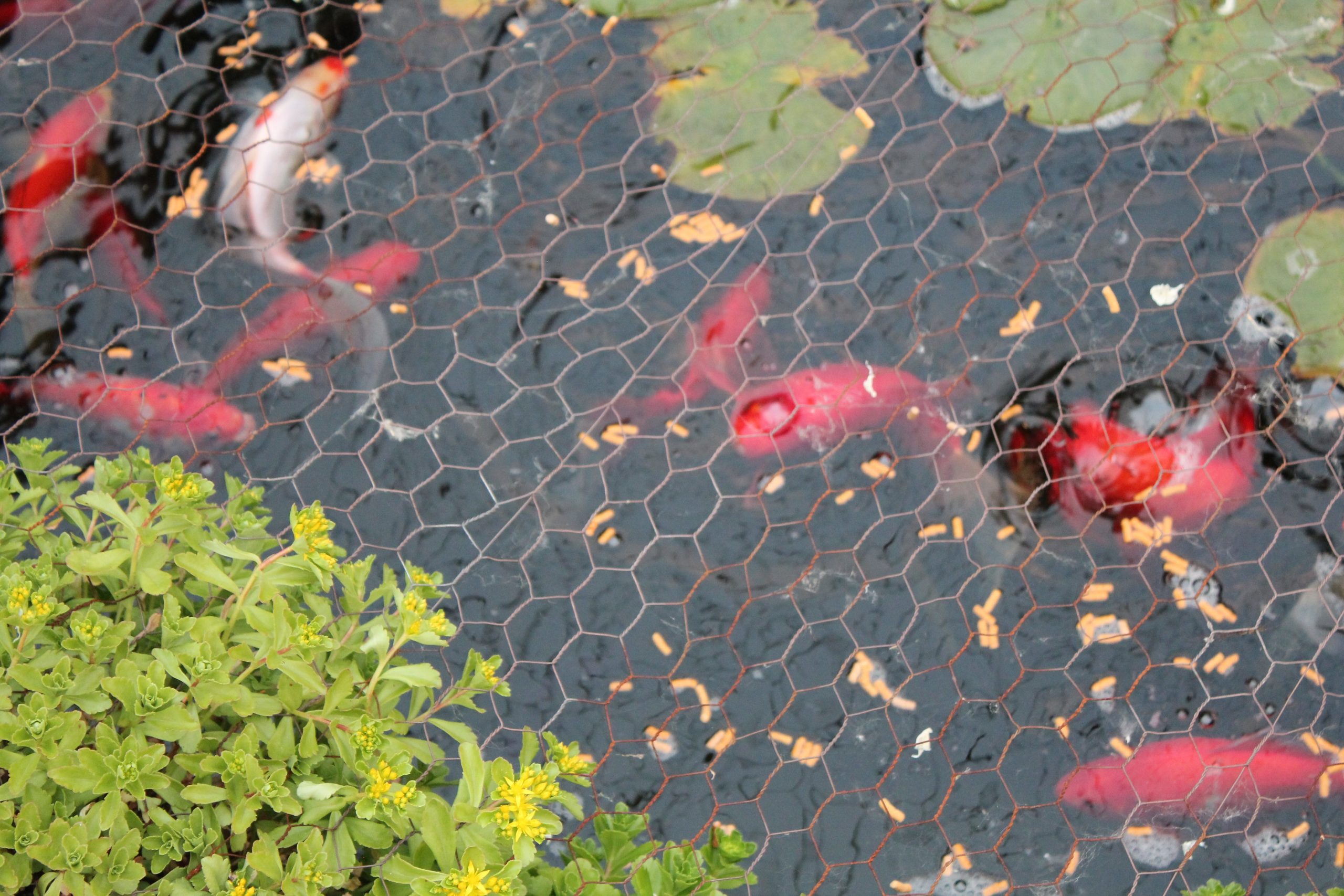
• Net ponds – Fit a cover or net before the last leaves come down to stop them sinking and fouling the water.
• Firm up newly planted trees and shrubs – Autumn winds can loosen roots that haven’t yet established; firm the soil back around the base after planting.
• Give sheds, fences and gates a coat of preservative – A dry spell in November is your last real chance before winter weather sets in properly.
• Check your gates are in good shape for winter – Or consider a new gate ahead of winter. See our article below.
Visit your nearest centre to pick up everything you need for the last big push before winter.
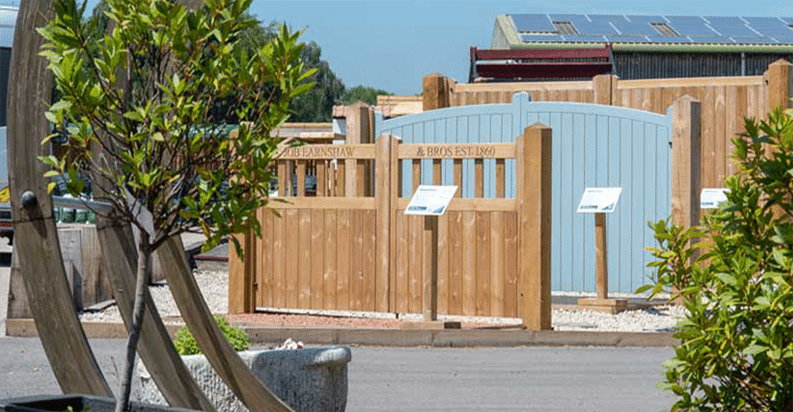
During darker nights, security and privacy become a priority, so November is a good month to take stock. Check hinges and latches for rust or movement, look for signs of rot at the base of timber gates, and make sure driveway gates are still closing flush and locking securely.
High-quality timber gates
We pride ourselves on offering the most extensive range of high-quality timber gates in the area. From a standard, off-the-shelf garden gate to a bespoke set of driveway gates, we offer a solution that will enhance the look and security of your garden.
Contact us now for an estimate or visit our gate display at Midgley.
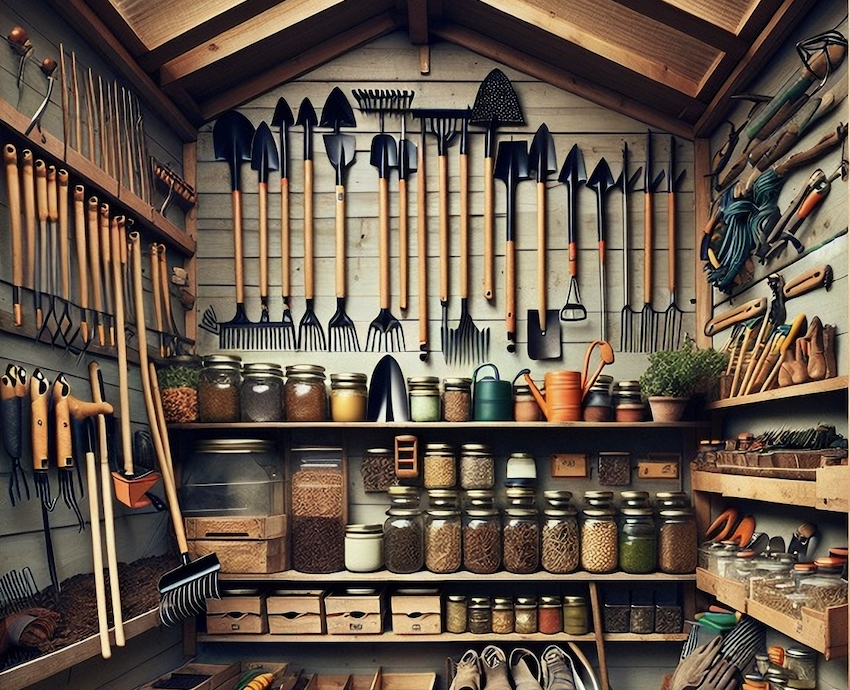
Your shed works hardest in winter, storing tools, bikes and garden furniture – everything you don’t want exposed to the elements! So, it’s worth giving it some attention before you shut the door on the season.
A tidy shed makes every gardening job easier. Take an afternoon to clean tools, sharpen blades, oil moving parts and organise shelves before winter arrives. Dispose of empty compost bags, recycle broken pots and store chemicals safely away from frost.
But, if your current shed has seen better days, or you’re simply running out of room, now’s a sensible time to buy a replacement shed. View our range here or browse our displays at Midgley or Brigg.
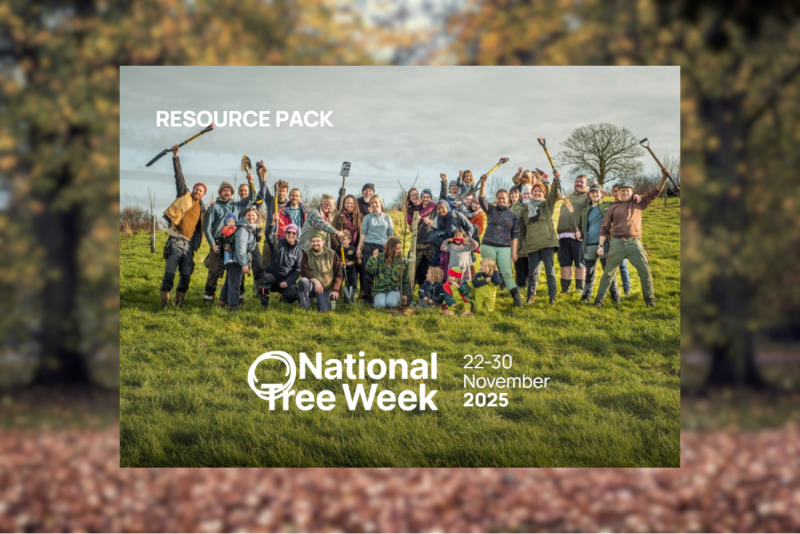
The Tree Council National Tree Week takes place from 21st to 29th November 2026, marking the start of the UK’s tree-planting season. It brings together the conservation sector, volunteers and tree-lovers to plant trees and hedgerows and celebrate their role in our landscapes.
Find out more here.
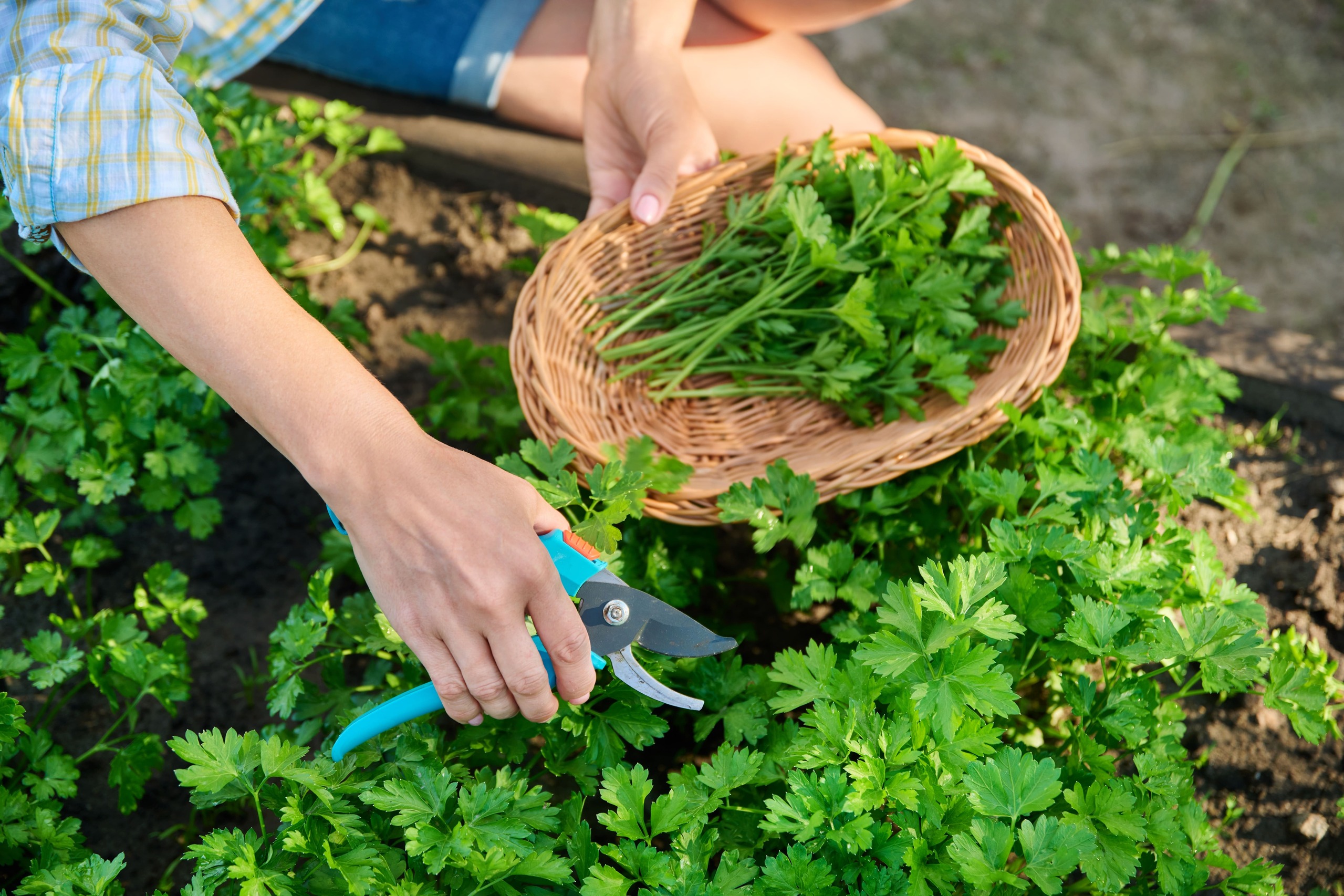
With the soil still holding warmth and moisture, there is still time to plant hardy crops, bulbs and shrubs that’ll reward you next spring and summer.
In the vegetable patch
Sow overwintering varieties such as garlic, onions, shallots and broad beans. Cold-hardy greens like spinach and chard can go in under cloches or in a cold frame, and if you’ve got a greenhouse or sunny windowsill, winter salad leaves and herbs such as parsley and chives are worth a try.
Bulbs
Tulips are best planted after the first frost to help prevent disease; finish off with daffodils, crocuses and alliums for early colour.
Our timber planters are impervious to frost, see our range here.
In borders
Winter pansies, violas and wallflowers will brighten dull days, and it’s an excellent month for bare-root fruit trees, roses and hedging while the soil is still workable.
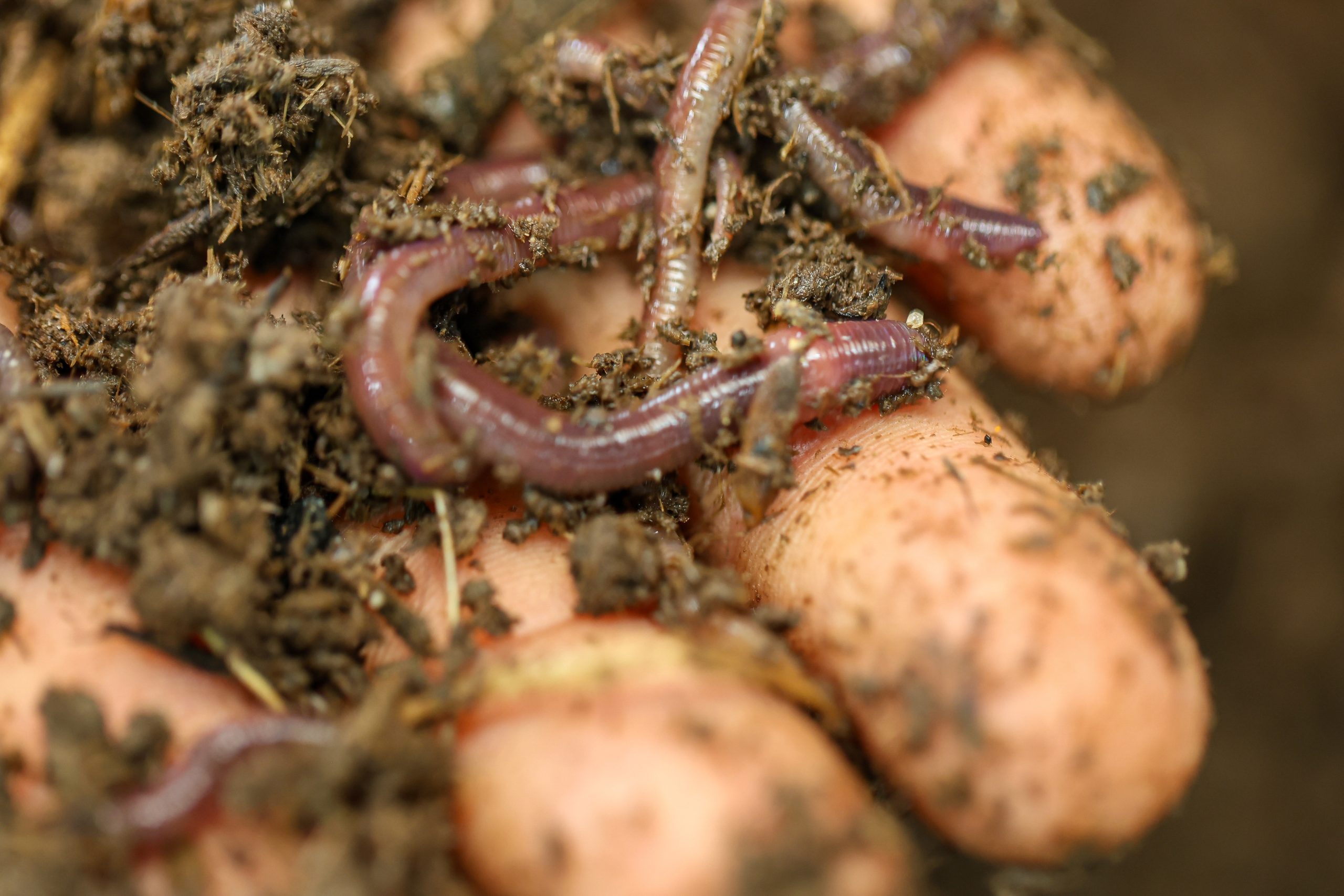
Once beds have been cleared of annual plants and vegetable crops, don’t leave the soil exposed to the elements.
Adding a generous layer of compost or well-rotted organic matter allows winter frosts and worms to naturally work nutrients into the ground. It’s an easy way to improve soil structure and fertility without endless digging.
If you’re planting shrubs, roses or fruit trees later this winter, preparing the ground now will give them the best possible start.

More gardeners than ever are choosing peat-free composts as part of creating more sustainable gardens.
Modern peat-free composts continue to improve in quality and help protect valuable peatlands that store carbon and support wildlife. If you’re planting containers, shrubs or winter bedding, November is an excellent time to make the change.
Check out our range of composts and mulches here.
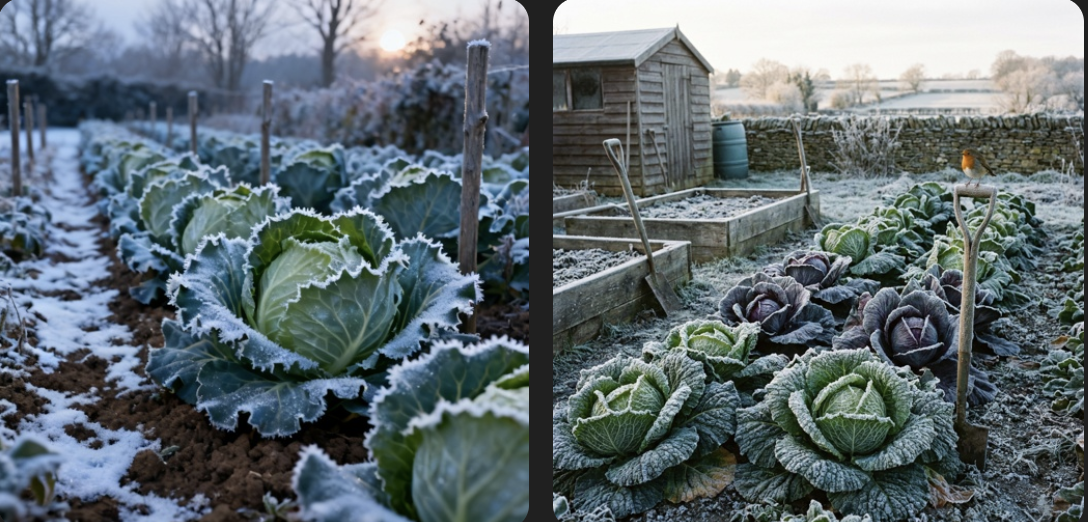
• Leeks – Very hardy, so only lift as and when needed. Loosen the soil with a fork a little distance from the plant to avoid damaging the stem.
• Brussels sprouts – Let them enjoy a few frosts before harvesting for a sweeter flavour.
• Carrots – Can stay in the ground for weeks over winter but lift everything before the ground freezes solid.
• Parsnips – Like sprouts, parsnips benefit from a frost or two, which converts starches to sugars and improves the flavour.
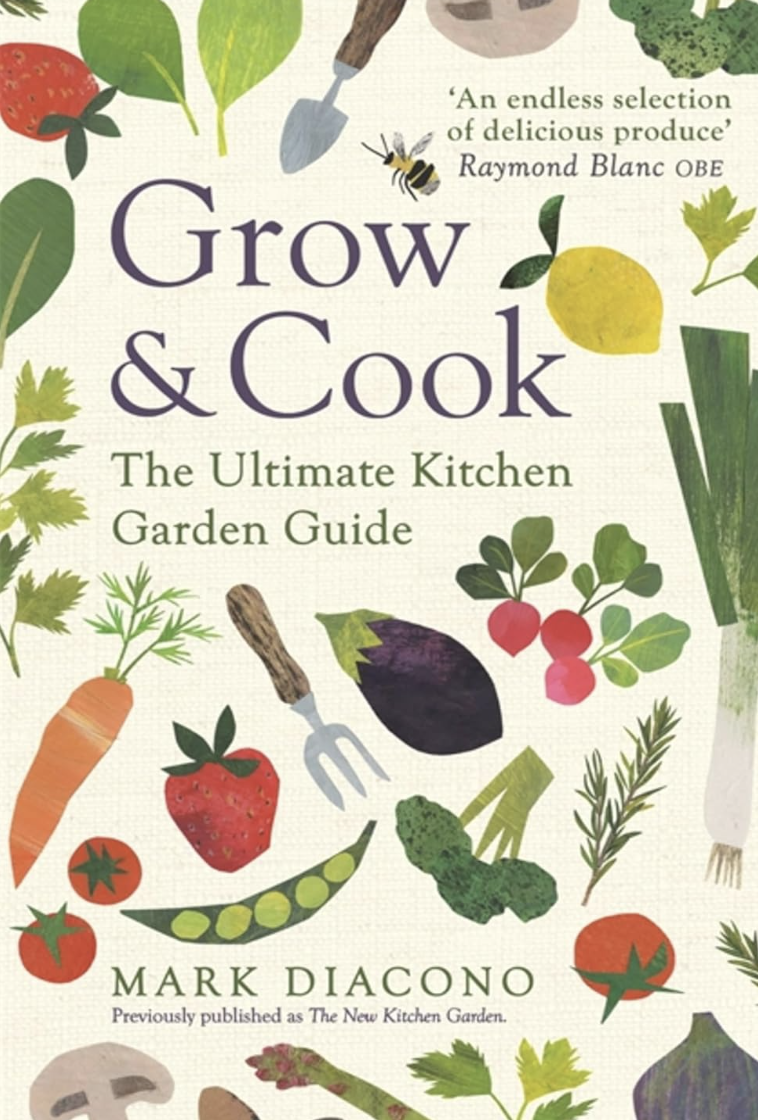
Grow & Cook: An A-Z of what to grow all through the year at home – Mark Diacono
“November always seemed to me the Norway of the year.” – Emily Dickinson

Sales and advice  01924 830055