Please add image or text logo



School’s out and the sunshine’s calling, so let’s turn the garden into the family’s favourite spot this August
Simple garden jobs such as planting colourful flowers, watering plants, spotting wildlife and harvesting homegrown treats are wonderful way to encourage a love of the outdoors and create lasting memories together.
In this month’s round up:
August garden checklist
Visit Midgley for the summer holidays
Sow the seeds for a new generation of gardeners
Celebrate Yorkshire’s wildlife heroes
A proper Yorkshire day out at the Emley Show
Make your garden an al fresco playground
A handy guide to late-summer colour
What to sow and grow in August
Deck out your garden for summer
Fill your log stores in time for winter
What to harvest in August
Book of the month
Quote of the month
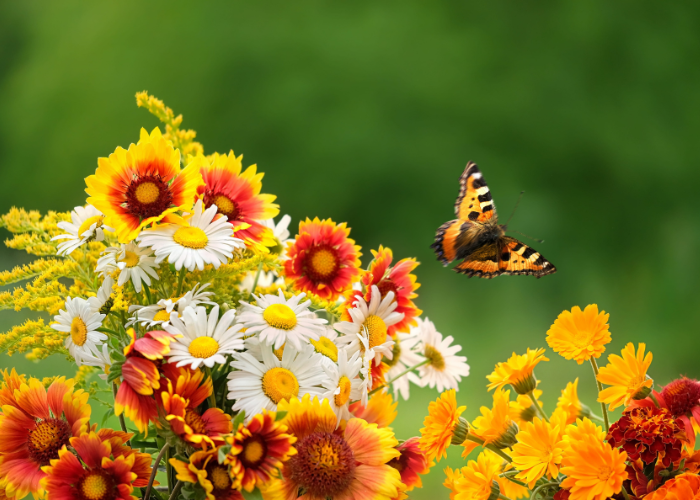
• Prune summer-flowering shrubs – Many summer-flowering plants will finish blooming in August, so this month is an ideal time to prune them. Roses will especially benefit from pruning between now and early winter – reduce the plant’s size by about a third to prevent wind rock.
• Regularly turn compost – Over the coming months, more compostable material will become available in your garden. To encourage speedier decomposition, stir the contents of your compost bin about once a month.
• Cut back faded perennials – It is not too late to cut back hardy perennials, such as Cat Mint and Lady’s Mantle. They may re-flower, depending on the weather, but they will otherwise produce new foliage – which will keep your garden looking healthy.
• Sow hardy annuals – If you’ve been planning the flowers and colours you’d like to see in your garden next year, the end of August is the time to begin planting hardy annuals – such as pot marigold, opium poppy and quaking grass.
• Deadhead regularly – Continue to deadhead plants that are past their best to encourage them to produce flowers throughout autumn. Dahlias benefit greatly from this – you can even cut their stems to plant indoors for beautiful displays.
• Protect delicate plants from the sun – Even opening vents in a greenhouse can sometimes not be enough to protect plants from the sun when it’s at its hottest. Those with delicate leaves or abundant growth, such as leafy herbs, are often most at risk of damage. Put these plants in complete shade if the weather is due to be hot, but avoid starving them of light for too long.
• Look out for pests – At their peak during the summer months, Asparagus beetles lay tiny dark eggs on asparagus foliage. This larvae will feed on the asparagus, damaging current crops and impacting how well they will perform next year. If you find any of these pests or their larvae, remove them from the plant and throw them into a bucket of soapy water.
• Intercrop – Fast-growing crops, such as kohlrabi, are perfect for growing in the spaces between slower-growing veg, as they can be harvested before the slower ones need the space to grow.
Visit either of our centres to pick up essential gardening tools.
Need some ideas for a fun day out with your children? Look no further!
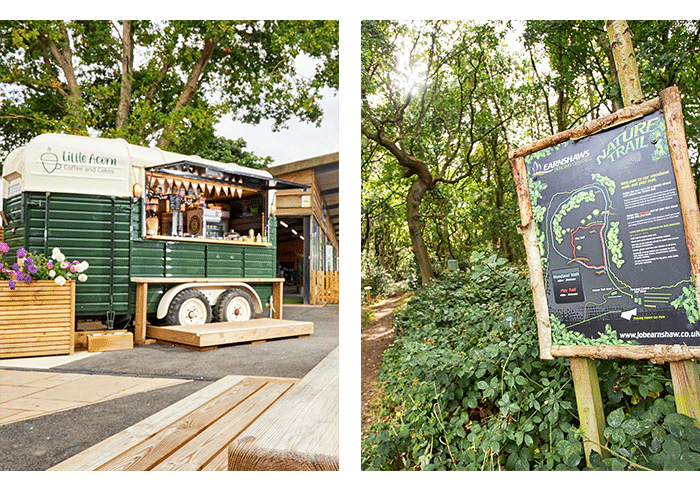
Our Midgley centre is an ideal destination for a family outing! You can visit our popular ‘Little Acorn’ coffee stop and have the option of two woodland walks.
The Little Acorn is housed in a converted vintage horse box, where we serve a variety of hot and cold drinks daily, as well as award-winning Yorvale Ice Cream, and Pawvale Ice Cream for dogs.
Have an adventure with your children on our two nature trails of differing lengths. There are historical facts about the area dotted throughout, so you can explore and learn at your own pace.
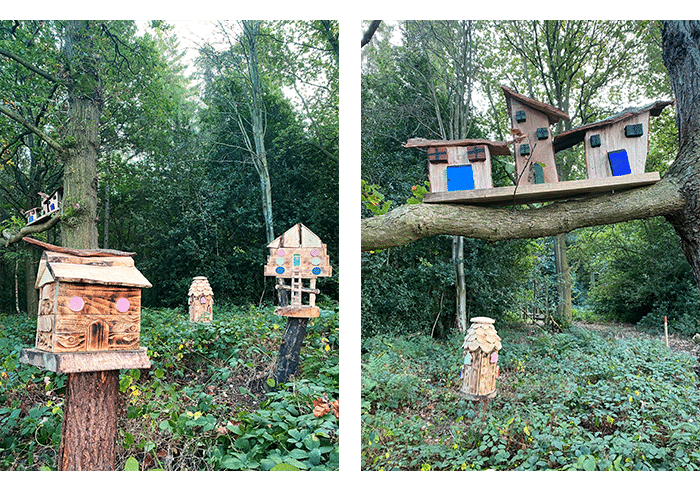
Discover the nature-themed fairy trail at Midgley – a free family activity for summer break. Let your children run, explore, and learn about local nature.
Each fairy represents a woodland species, with unique wings designed by artist Lanson Moore. Find hidden fairies, discover top tips, and uncover interesting facts along the way.
Pick up your Hidden Fairy Nature Trail activity sheet from the Little Acorn and let the magical fairy search begin.
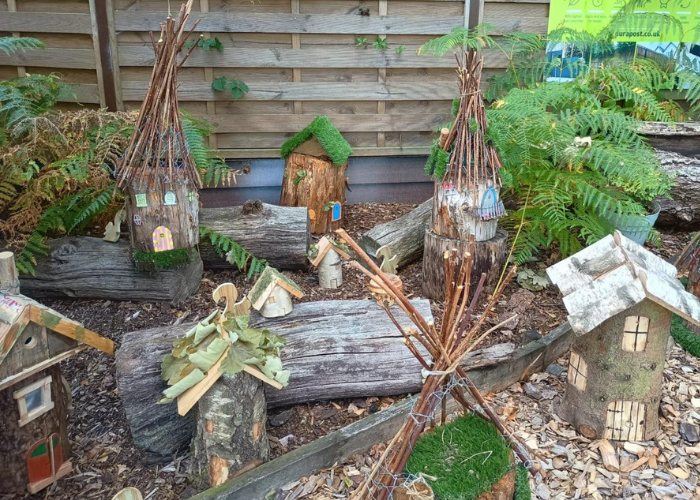
We also have a Fairy Village for your children to explore, thanks to the efforts of Denby Dale District Men’s Shed Association and Denby Dale She Shed who joined forces with the children of Cawthorne Church of England Primary School to bring this magical project to life!

• Sunflowers – Run a “tallest sunflower” competition between siblings. Seeds and planters are available at our centres.
• Potatoes – Grow your own potatoes in an old bucket or sack for an easy, space-saving project that’s perfect for smaller gardens. Children will love the excitement of digging up their own home-grown crop.
• Strawberries – Grow strawberries in a hanging basket or pot for a tasty summer treat that’s hard to resist picking straight away. Pick up compost and plant food from our on-site shops.
• Runner Beans – Our trellis and supports are ideal for training climbers of all sorts, including runner beans.
• Cress or Mustard Seeds – Grow these quickly on a windowsill, with sprouts appearing in just a few days – a simple and rewarding project that is great for younger children.
• Pumpkins or Courgettes – Great fun to grow and watch balloon in size over the summer.
• Carrots and Radishes – Quick to grow and satisfying to pull up from the soil, these are perfect for children who love seeing the results of their hard work – and a great introduction to growing your own food.
• The Big Butterfly Count will be taking place from Friday 17th July to Sunday 9th of August – here’s how to get involved.

What better way to celebrate Yorkshire Day this August than by recognising the people who help protect the county’s incredible wildlife?
As part of their 80th anniversary celebrations, the Yorkshire Wildlife Trust is launching the Wildlife Heroes Awards to shine a spotlight on the incredible people protecting and restoring nature across Yorkshire.
These awards recognise those heroes, thank them for their dedication, and share their stories so that even more people are inspired to stand up and make a positive difference for Yorkshire’s wildlife.
Do you know a wildlife hero who deserves recognition?
Find out more and nominate here.

Looking for another great way to celebrate Yorkshire Day? This year, the Emley Show will be taking place on the 1st of August, at Factory Farm below Emley Moor.
Attracting over 7,000 visitors each year, the show promises to be a fantastic day out for garden lovers during the summer holidays.
Set beneath the iconic Emley Moor mast in the heart of the beautiful Yorkshire countryside, the Emley Show is a great day out for all ages – offering a wide range of activities, agricultural events, country crafts, family entertainment, and competitions.
Find out more here.

Enjoy outdoor family dining all summer long with our range of quality timber picnic tables.
Available in a variety of sizes and styles, our durable, pressure-treated picnic tables are built to last – perfect for al-fresco dining and family get-togethers.
We also stock a range of hardwood, softwood and composite benches, crafted for comfort and durability.
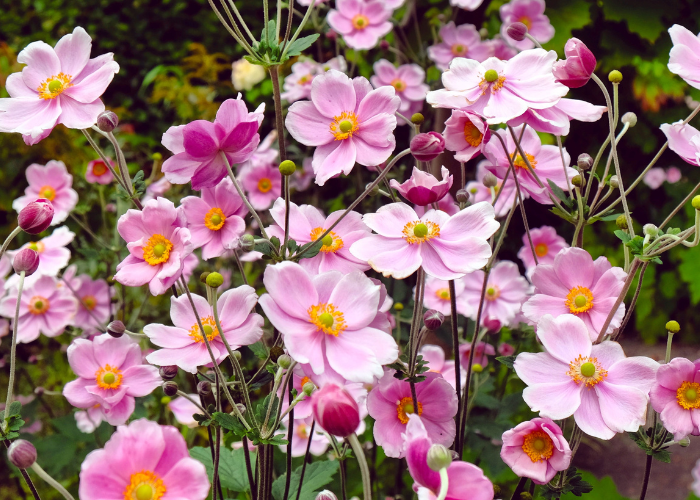
Choosing the right plants can keep flower displays looking bright and spectacular well into autumn.
• Dahlias – Available in an incredible range of colours and flower forms, dahlias are among the stars of the late-summer garden.
• Rudbeckia – These cheerful yellow and orange flowers provide weeks of colour and are highly attractive to pollinators.
• Sedum (Hylotelephium) – A fantastic plant for late-season interest, producing large flower heads that bees adore.
• Japanese Anemones – Elegant flowers that begin blooming in late summer and continue into autumn.
• Verbena Bonariensis – Tall, airy stems topped with purple flowers create movement and attract butterflies.
• Cosmos – Easy to grow and flowering right through until the first frosts if deadheaded regularly.
TOP TIP: Plant containers with a combination of late-flowering perennials and ornamental grasses to keep displays looking fresh long after summer bedding plants begin to fade.
• Florence fennel – Sow the seeds 2.5cm deep and 30cm apart. To prevent this plant from bolting, keep the soil moist. Adding a thick layer of mulch will help the soil to maintain its moisture.
• Kohlrabi – Sow kohlrabi 1.5cm deep and 23cm apart. Avoid the crop becoming wood-like, by harvesting when the swollen stem is no larger than a tennis ball.
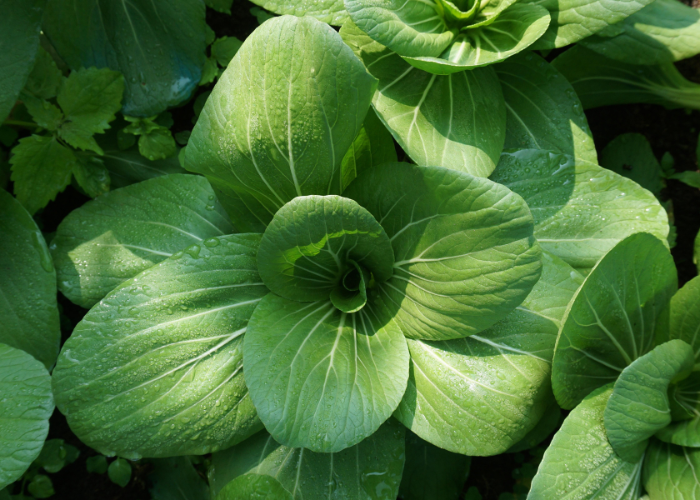
• Pak choi – These leafy greens should be sown 2cm deep and 30cm apart. Water regularly to ensure the soil stays moist, as this encourages plentiful leaf growth.
• Spinach – Sow 2cm deep and 15cm apart. Use fine-mesh netting to protect the leaves against damage from pests and birds.

Create the ideal outdoor space for relaxing, entertaining and soaking up the sunshine with our range of high-quality decking.
Choose from stylish timber and low-maintenance composite decking options, with a complete range of boards, fixings and finishing touches to create a garden retreat everyone can enjoy for years to come.
• Quality materials built to last
• Choice of styles and finishes
• Expert advice for your project
• Delivery and installation available
Discover our full decking range here.
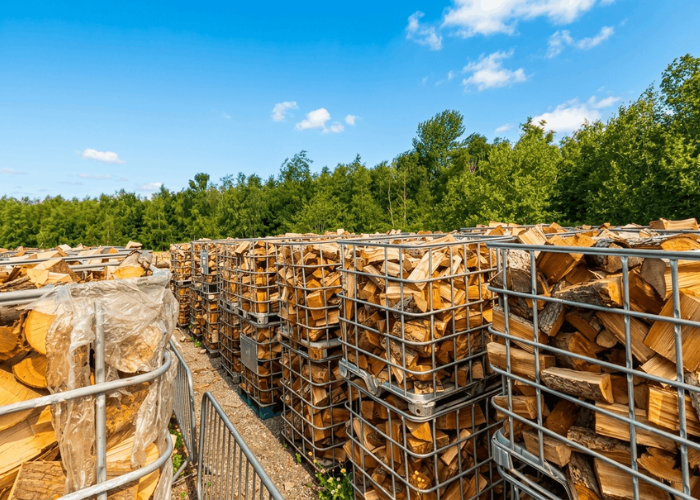
Summer is the perfect time to stock up on a delivery of our air-dried firewood.
Our quality hardwood and softwood logs are carefully processed throughout spring and summer, then stored in cubic metre IBCs where they continue to dry naturally. That means the moisture content is at its lowest right now, ensuring a cleaner, more efficient burn for the colder months ahead.
Get ahead for winter – stock up now and arrange your delivery today!

• Cauliflower – Cauliflowers sown in spring should be ready to harvest. Cut the main head when it is around 6-8 inches in diameter, but keep the plant in the ground, as it will continue to produce smaller florets.
• Cucumbers – Check cucumber plants regularly, as the fruits can grow rapidly. It is best to harvest cucumbers when they are young, as older plants can become bitter.
• Runner beans – Harvest runner beans when they are young and tender, around 15-20cm long. Harvest every few days to keep them producing – if a pod reaches maturity, it will stop flowering completely.
• Broccoli – It is best to harvest broccoli in the morning when the florets are firm, just before they flower. If there are any yellow petals, harvest immediately as the quality of the plant will begin to decrease rapidly.
• Blackcurrants – Some varieties of blackcurrants will continue to produce fruit well into August, however early harvests can be frozen to enjoy later in the year.
• Blackberries – These berries tend to reach their prime between August and September. Be sure to pick the firmest berries, as squashed berries will spoil quicker.
• Blueberries – Once a berry changes from green to a dusky blue, it is ready to pick. The berries won’t all ripen at once, so it is best to check them regularly and harvest as required.
• Raspberries – Raspberries can continue ripening until the first frosts, but the fruits are ready to pick when they are rich in colour, plump and easy to pull off the plant.

The BBQ Book by Tom Kerridge
Britain’s best-loved Michelin-starred chef, Tom Kerridge, brings you the ultimate recipes for every barbecue.
Available from Amazon here.
“A late summer garden has a tranquillity found no other time of the year.”
– William F. Longgood

Sales and advice  01924 830055