Please add image or text logo


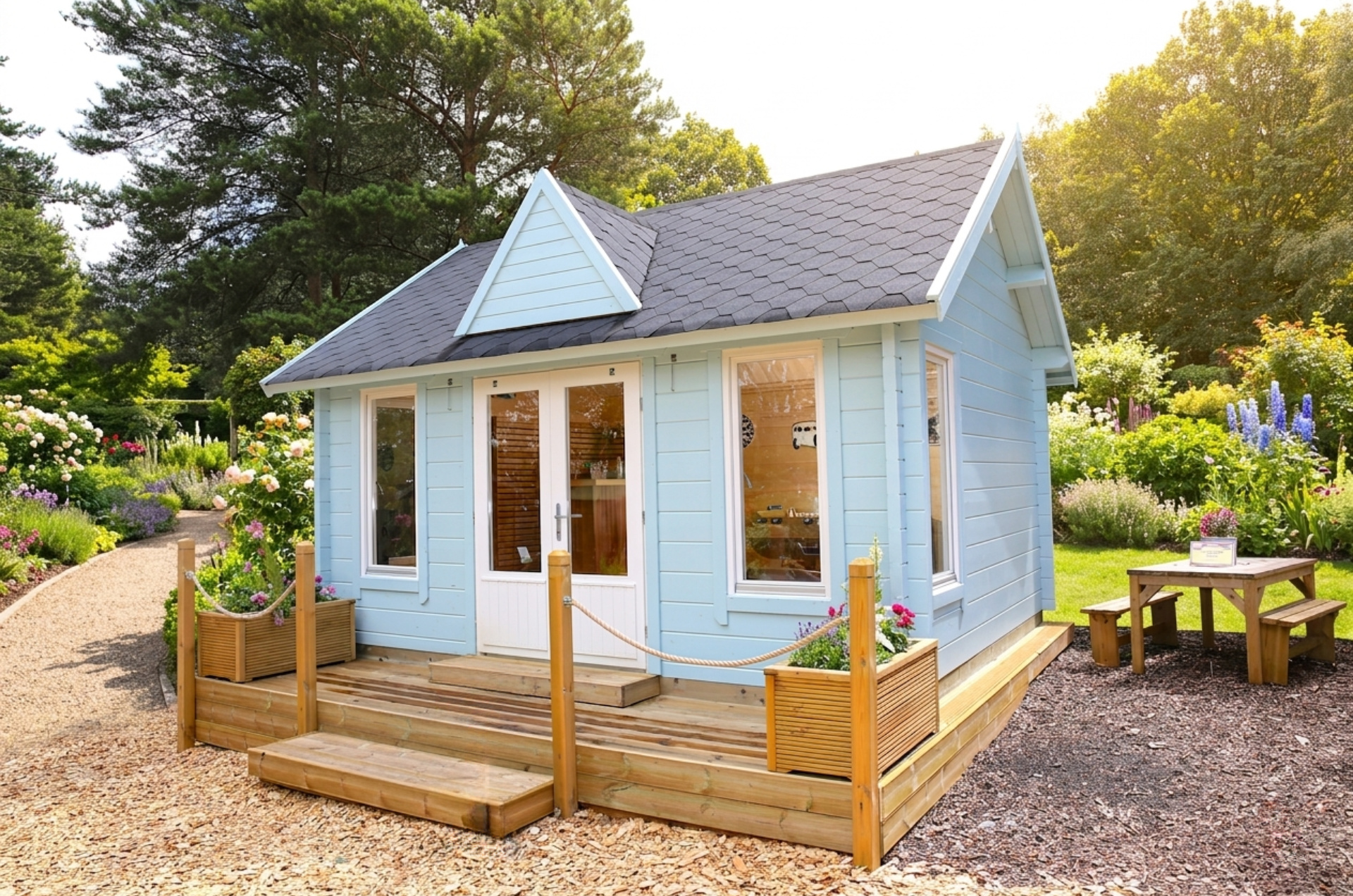
A handy guide to shed, cabin and summerhouse planning permission rules in the UK.
Adding a shed, garden cabin, or summerhouse is one of the easiest ways to improve storage, create a workspace, or enhance your outdoor living space. But one of the most common questions people ask before buying is “Do I need planning permission for a shed?”
In most cases, the answer is no – but there are important rules you must follow to avoid having to alter or even remove your new building.
Here is our handy, practical guide to UK planning permission for sheds, garden cabins and summerhouses:
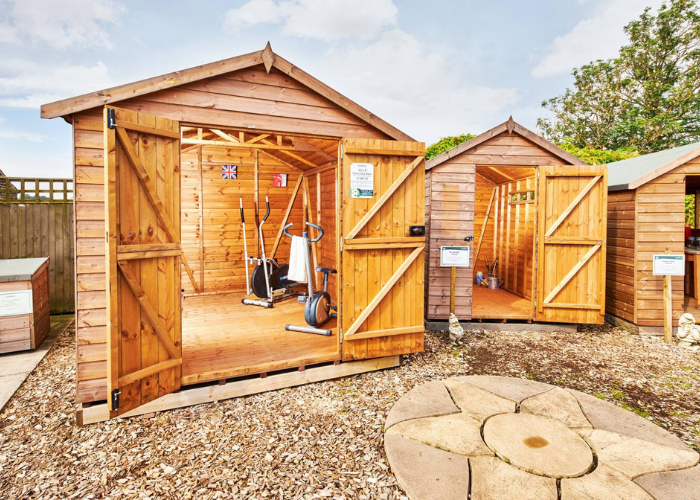
Most sheds, summerhouses, and cabins fall under what is known as permitted development rights, meaning you can build them without applying for planning permission.
You have permitted development rights if your garden building:
• Is used for domestic purposes (storage, hobby room, office, etc.)
• Is single-storey only
• Does not take up more than 50% of your garden space
• Is not in front of your house (front garden rules are stricter)
• Is not used as a separate living accommodation
For most standard garden sheds, summerhouses and garden cabins, this covers the majority of installations.
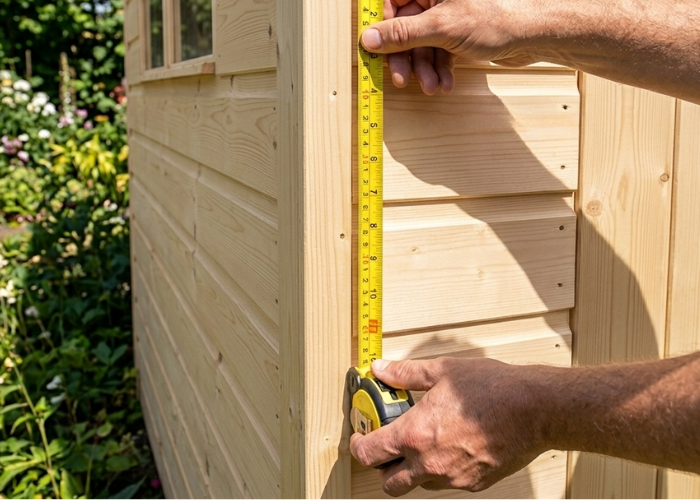
Even if you don’t need planning permission for a garden building, there are still limits on size:
• Maximum height of 2.5m if within 2m of a boundary
• Maximum eaves height of 2.5m
Maximum overall height of:
• 4m for dual-pitched roofs
• 3m for other roof types
If your building exceeds these limits, planning permission is usually required.
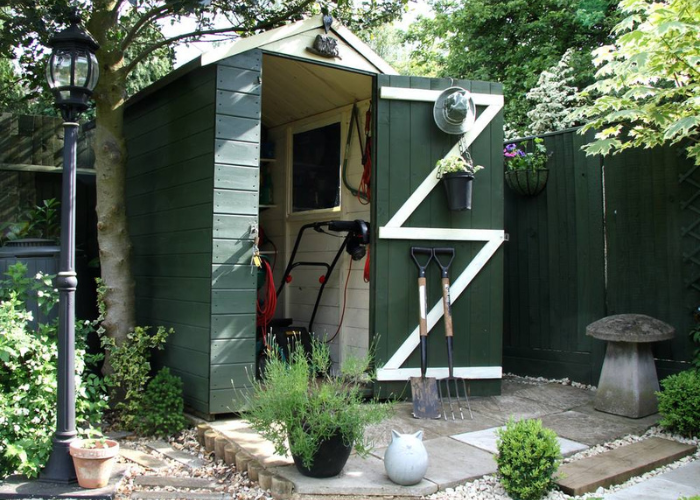
When planning a garden building installation, where you place it matters just as much as its size.
You may need permission if:
• It is built forward of the principal elevation of your home
• It significantly impacts neighbours (light, privacy, or boundary issues)
• It is placed in a designated area (such as conservation areas or national parks)
If you live in a protected area, outbuilding regulations are often stricter and should always be checked in advance.
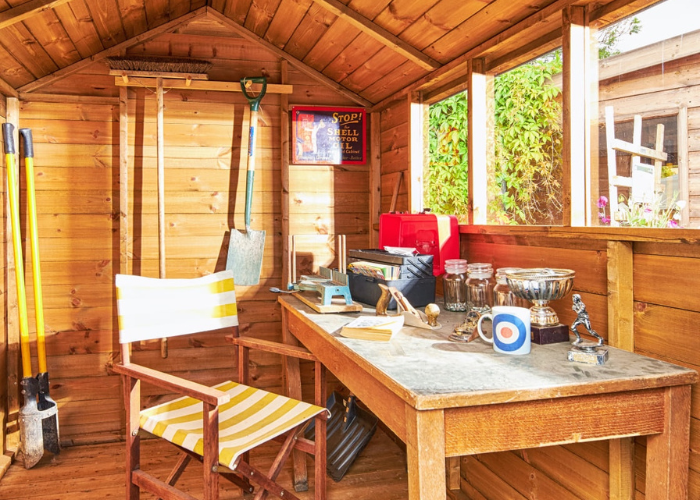
A shed or summerhouse cannot legally be used as a separate dwelling without full planning permission.
This includes:
• Renting it out as accommodation
• Using it as a self-contained flat or annex
• Installing full kitchen and bathroom facilities for independent living
However, as long as it remains ancillary to the main house, you can use it as:
• A home office
• Gym
• Hobby room
• Studio space
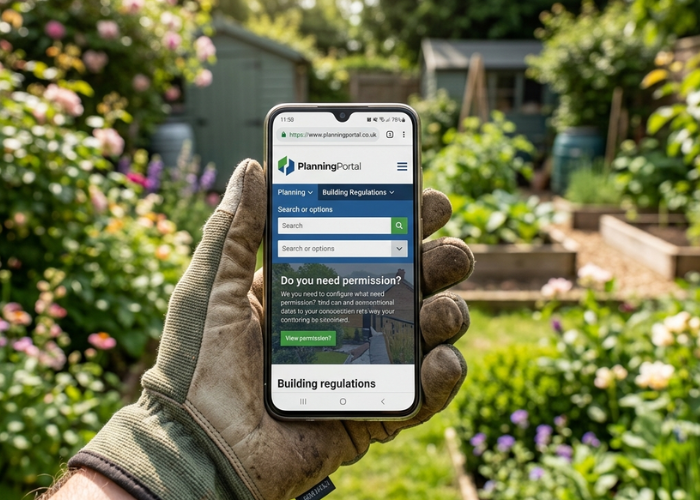
If your property is:
• A listed building
• In a conservation area
• In a National Park
• In an Area of Outstanding Natural Beauty
Then permitted development rights may be restricted or removed entirely. In these cases, it’s always best to check before installing anything.
You can find official guidance through the UK planning system here.
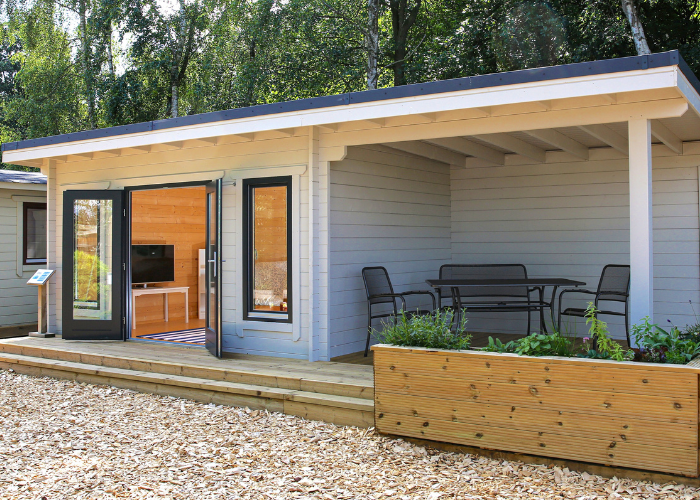
Modern insulated garden cabins are becoming increasingly popular, especially for home offices and remote working. The same planning rules usually apply to garden cabins throughout the UK.
However, you may need planning permission if:
• The cabin is unusually large in relation to the garden
• Sleeping accommodation is included
• Plumbing and residential facilities are installed
• The use of the land changes significantly
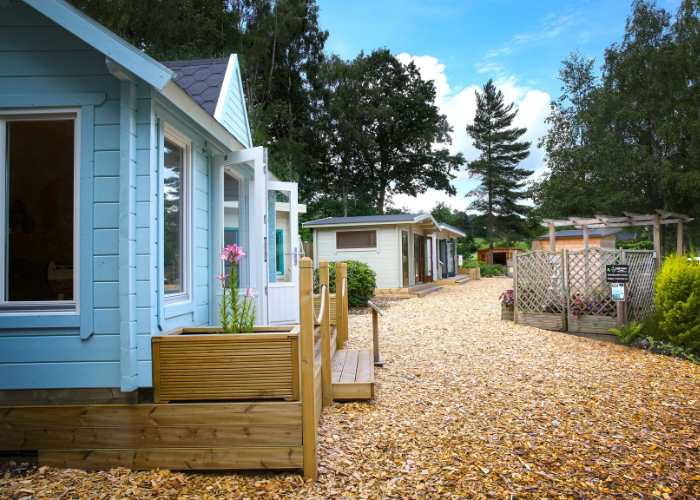
Our Midgley centre, conveniently located between Huddersfield, Barnsley and Wakefield, is the ideal place to explore our wide range of quality garden buildings.
Our friendly and knowledgeable team are always on hand to offer expert advice and help you choose the right garden building for your needs.

Sales and advice  01924 830055