Please add image or text logo



Here is our round-up of news, top tips and ideas for the month of February!
February often brings frosty yet clear days, but the first signs of spring are in the air! With bulbs breaking into bud and the days getting longer, there’s plenty you can do to prepare your garden for the year ahead.
• Chit your seed potatoes – If the ground is still cold to the touch, hold fire on planting seed potatoes. Instead, there is a huge benefit to chitting first early potatoes – essentially bringing them into bud before planting. This process should be undertaken about 6 weeks before you want to plant them.
• Prune deciduous ornamental grass – Using sharp secateurs or shears, cut back straw-like grasses, such as miscanthus, hakonechloa, and panicum. Leave less-hardy varieties for another month.
• Plant lilies in pots – Fill a pot with potting compost and plant each lily bulb, leaving about 5cm between them. Add a layer of compost onto the bulbs – the depth of this compost layer should be similar to the height of the bulbs. Soak the compost with water, then wait for the shoots to emerge in spring.
• Ventilate your greenhouse – Whenever possible, open up the windows, doors, and vents of your greenhouse for an hour or two in the afternoon of mild days. This helps to reduce mould growth and the spread of disease throughout the winter months.
• Put up a nest box – Encourage a variety of birds to your garden by providing a nest box. Place one 1-3m above the ground, in a relatively sheltered spot and out of reach of cats and squirrels. Explore our entire birdcare and wildlife range here.
• Cut lawn edges – Though it’s not quite time to get your lawnmower out, trimming the edges of your lawn using an edging tool will instantly neaten up your garden.
• Feed fruit bushes – Ensuring the soil is moist and weed-free, sprinkle high-potassium plant food around the base of fruit bushes. This will ensure they have enough nutrients for the year ahead and won’t need feeding again.
• Warm the soil with cloches – Prepare for planting early crops by adding cloches to the areas that you plan to utilise. Be sure to remove any weeds or old roots first.
Visit either of our centres to pick up essential gardening tools!
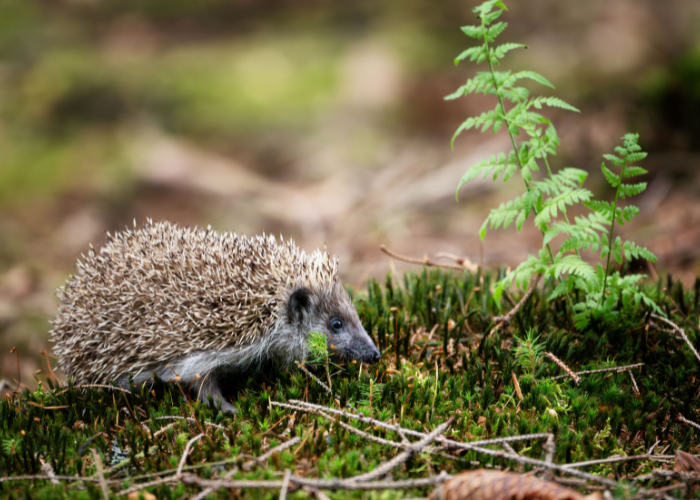
National Hedgehog Day takes place on the 2nd of February each year, encouraging people across the country to get involved in the care and protection of this vulnerable species.
It’s currently hibernation season for our spiky friends, but there’s always plenty to be done to protect them during the winter months.
Take a look at some of our top tips below:
• Create a log pile – Log piles provide shelter for insects and, therefore, make the perfect foraging place for hedgehogs. Create your log pile in a shady area of the garden, replenishing the logs every now and again as the wood begins to rot down.
• Add variety to your garden – Having a mixture of plants, shrubs and trees in your garden may be a long-term strategy but it helps to provide shelter and food for hedgehogs and a variety of other critters.
• Create a wildlife pond – Use a shallow container or a water-tight structure like a sink to create a pleasant drinking place for hedgehogs. Plants will colonise here naturally, and rainwater can be used to fill it up!
• Add a hedgehog home to your garden – Provide a safe place for hedgehogs to rest by placing a hedgehog home somewhere peaceful in your garden. View our range of animal houses here.
• Create a compost heap – Compost heaps are rife with worms, slugs and earwigs which provide essential sustenance for hedgehogs. Build your compost heap on soil rather than solid ground to ensure easy access for these creepy crawlies.
• Broad beans – Sow broad beans in modules, ready for planting out in spring.
• Garlic cloves – Planting garlic now means it still has time to develop by summer. Split a bulb into cloves and set the cloves on the soil, leaving about 15cm between each. Plant them with the pointed tip upwards at a depth of 6cm, then firm the soil down.
• Jerusalem artichoke – Opt for a sunny spot with plenty of space and prepare the soil by weeding and adding compost. Plant the tubers 30cm apart and 15cm deep. They can also be grown in a large tub.
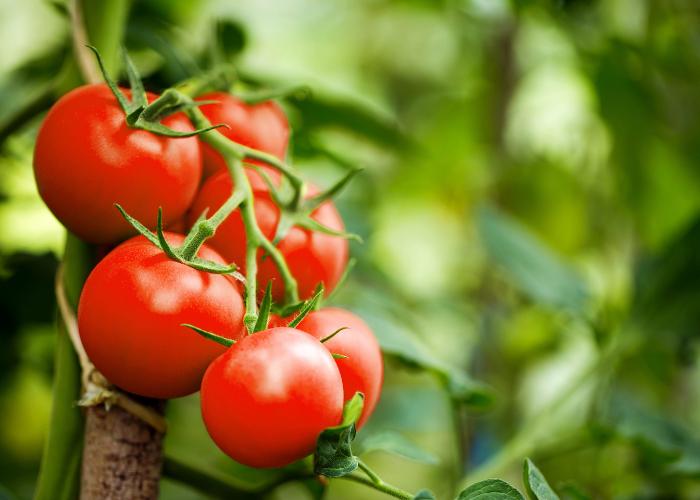
• Tomatoes – Fill a small pot with seed compost, water well, then sow three or four seeds on the surface. Cover with vermiculite and keep at around 18°C or cover with a clear plastic bag and place on a warm windowsill. As soon as seedlings appear, uncover the pot and place it in as much light as possible, to prevent the plant growing thin.
• Chillies – Plant chilli seeds using the same method as tomatoes, planting a few extra seeds than required, in case of losses. When the seedlings reach 2.5cm tall, move each one into its own small pot filled with multi-purpose compost.

The BBC Gardeners World Spring Fair will be returning from the 1st– 3rd of May! If you book your tickets before the 9th of February, you can save 15% off the standard price!
Whether you’re an experienced gardener, a novice, or simply someone who appreciates the beauty of nature, this event has something for everyone – bringing together inspiring garden designs, planting ideas, garden shopping and accessible horticultural knowledge from top gardening experts!
Find out more here.
This February half term, why not visit our Midgley Centre with your children?
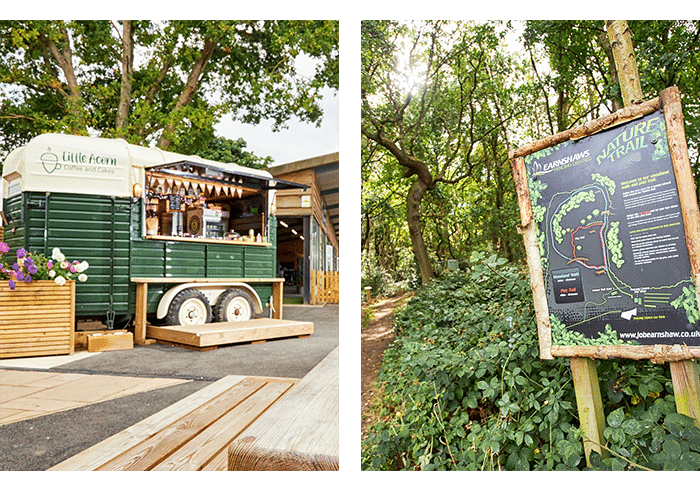
Our Little Acorn coffee stop at Midgley is a lovely destination for all the family to enjoy!
Housed in a converted vintage horse box, we serve a variety of hot drinks that are sure to warm you up in chilly weather! We also serve cold drinks and cakes, including gluten-free and vegan options.
Why not have an adventure with your children on our two nature trails of differing lengths? There are historical facts about the area dotted throughout, so you can explore and learn at your own pace!
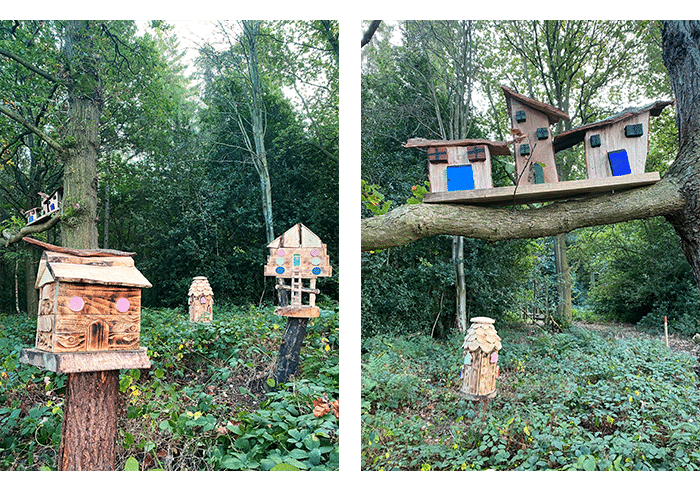
Discover our nature-themed fairy trail at Midgley! Let your children run, explore, and learn about local nature.
Each fairy represents a woodland species, with unique wings designed by local artist Lanson Moore. Find hidden fairies, discover top tips, and uncover interesting facts along the way.
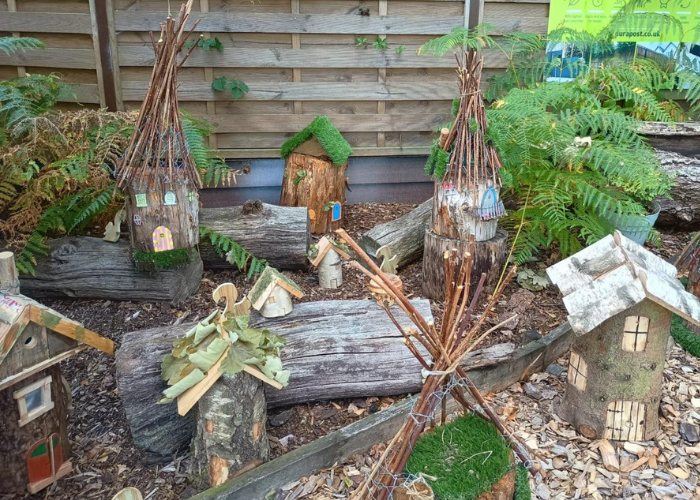
We also have a new Fairy Village for your children to explore, thanks to the efforts of Denby Dale District Men’s Shed Association and Denby Dale She Shed who joined forces with the children of Cawthorne Church of England Primary School to bring this magical project to life!
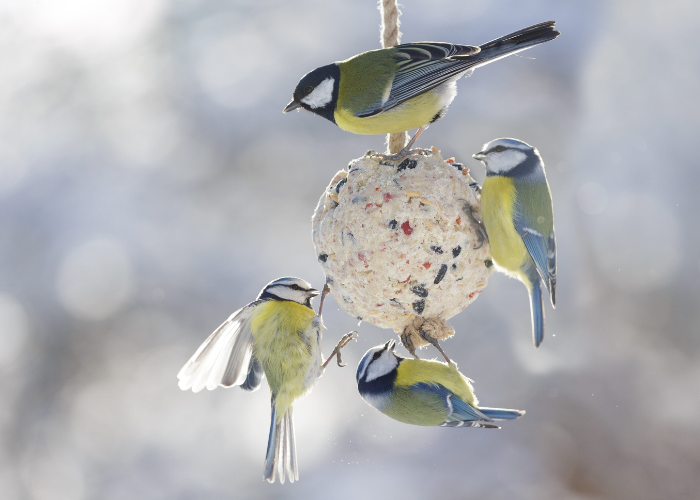
February can be a tough month for birds. Natural food sources are scarce, so extra energy-rich treats can make a real difference. Making your own fat balls is quick, inexpensive, and a fun activity to get your children involved in!
You will need:
• Hard fat, such as lard or suet
• Dry bird food – discover our range of RSPB approved bird feed here
• Grated cheese or raisins
• Dry leftovers like oats or bread
• A mixing bowl
• String
• Small yoghurt pots
Step 1: Soften the fat
Melt the fat to room temperature so it’s soft but not completely melted.
Step 2: Mix the ingredients
Put the fat in a bowl and stir in the other ingredients until everything is well combined. The mixture should be firm, not crumbly.
Step 3: Fill your containers
Make a hole in the bottom of your yoghurt pots, thread through a length of twine or string, and pack it tightly with your fat mixture.
Step 4: Set the mixture
Place the fat balls in the fridge for an hour or two until the mixture is firm.
Step 4: Remove from containers
Once the mixture is fully set, carefully remove the fat balls from your containers – they should pop out easily if the mixture is cold enough, but you can cut the pot off if necessary.
Step 5: Feed the birds
Hang your fat balls from tree branches or place them in a bird feeder, well out of reach of cats.

• Leeks – This hardy vegetable can be harvested as and when required throughout the winter months, even after severe frost.
• Swedes – Though swedes can survive the cold, they should be harvested this month to avoid them becoming too coarse to eat.
Members of the brassica family can continually be harvested as and when required, including:
• Cauliflower – Cauliflowers will have stopped growing by the time they are picked and should last for a while after harvesting.
• Cabbage – If harvesting and storing winter cabbages, hang them in a cool place. Otherwise, they can be left in the ground until needed.
• Broccoli – Harvest broccoli spears regular to stimulate further growth.
• Brussels sprouts – Pick one by one as they mature.
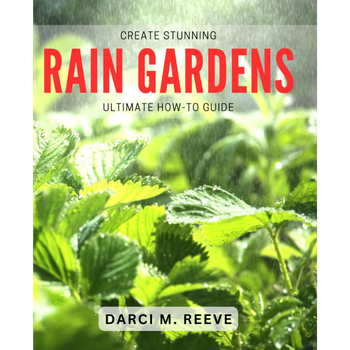
Create Stunning Rain Gardens: Ultimate How-To Guide by Darci M. Reeve
Create stunning rain gardens with this ultimate how-to guide! Transform your outdoor space into a beautiful and functional oasis with the help of this comprehensive book. Whether you’re a novice gardener or a seasoned pro, you’ll find everything you need to know to design, plant, and maintain a gorgeous rain garden that will thrive in any climate.
Available from Amazon here.
“Each moment of the year has its own beauty, a picture which was never seen before, and which shall never be seen again.”
– Ralph Waldo Emerson

Sales and advice  01924 830055