Please add image or text logo



Here is our monthly round-up of news, tips, and ideas to make the most of your garden this January!
With the days starting to get longer again, this month is the ideal time to start planning out your garden projects for the coming year. We’re looking forward to helping you bring your ideas to life this year!

After taking a break over the Christmas period, our Midgley centre will be reopening on the 3rd of January at 8:30am, and our Brigg Centre will be reopening on the 5th of January at 8:00am.
We’re excited to welcome you back, and we look forward to helping you with all your projects this year!
Keeping your garden maintained during the winter will ensure it is well prepared for spring and summer, so here are some important garden jobs for January:
• Tool maintenance – January is the ideal time to give your lawn mower a basic service or take it to a dealer for maintenance while it’s not in use. It’s also a great time to clean and sharpen your tools, including hoes, secateurs and shears.
• Spruce up your outdoor space – To avoid slipping and to keep them looking their best, remove wet leaves, algae and moss from paths, patios, decking and steps.
• Plan ahead – January is the best time to plan for the months ahead and order plants and flowers that will best contribute to your vision. Creating a sowing schedule is also beneficial to making sure you don’t overwhelm yourself or your garden by over-planting seeds once they arrive!
• Keep pruning – Roses, wisteria, honeysuckle, and rhododendrons can all be pruned in January to encourage healthy spring growth. Apple and pear trees will also benefit from having dead, damaged and congested branches removed.
• Take care of birds – Top up bird baths with fresh water daily and melt ice with warm water on frosty days.
• Grow perennials from seed – For a summer display, sow some hardy perennials now, such as delphiniums, agastache and oenothera.
• Clean gutters – Keep gutters and downpipes clear, particularly to ensure that clean rainwater is not interrupted from flowing into water butts.
• Prep your greenhouse – Ventilate your greenhouse on sunny days to prevent humidity building up. You should also tidy up broken pots or old composts to avoid unwanted critters finding a place to hide!
Visit either of our centres to pick up essential gardening tools!

Take the stress out of Christmas Tree disposal and let The Kirkwood Hospice collect your tree this January.
From the 8th–14th of January, for a small donation, Kirkwood’s team of volunteers will collect your tree from outside your home and recycle it for you. It saves you time and is great for the environment too!
Read more here.
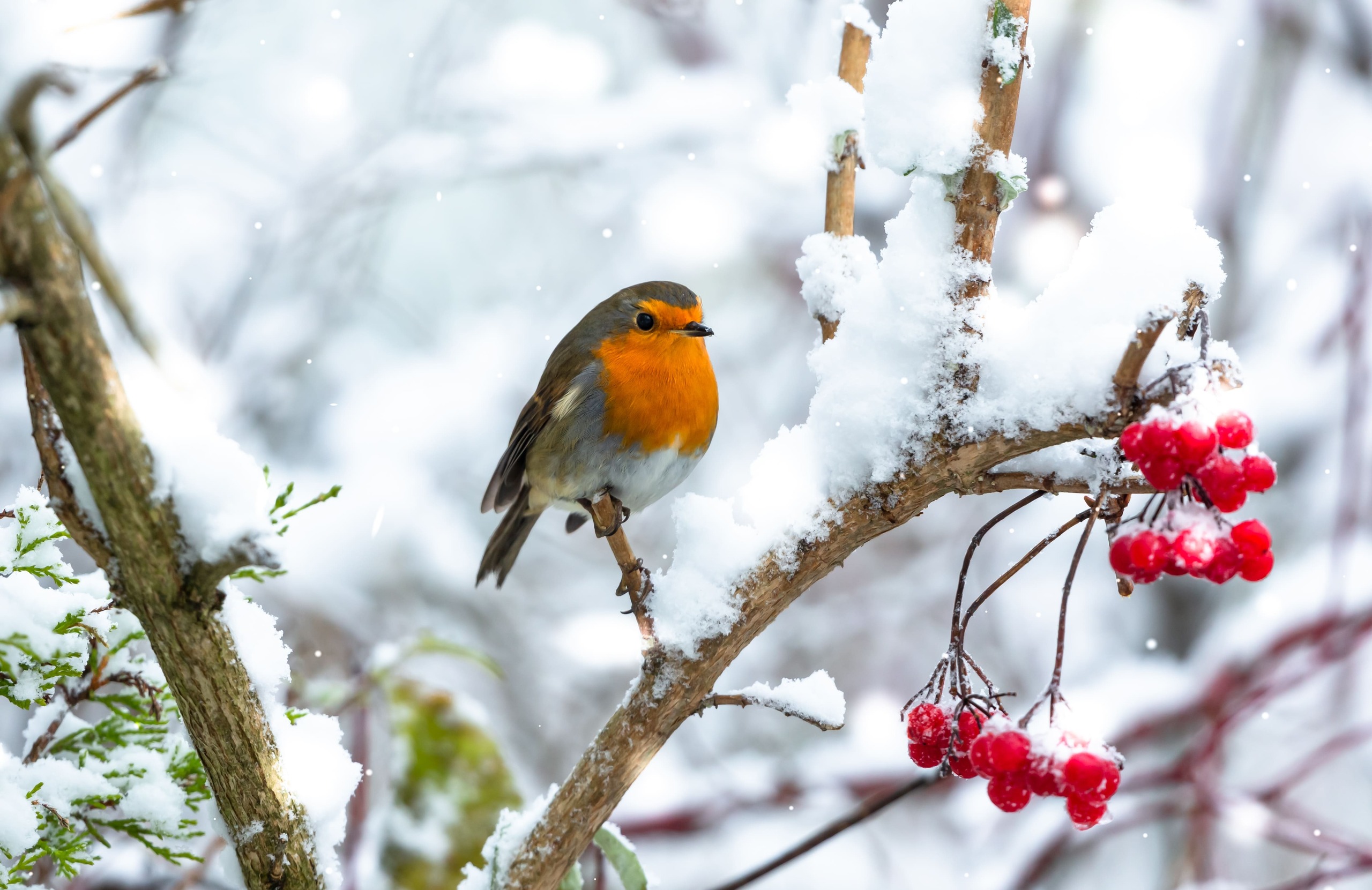
The Big Garden Birdwatch will be taking place this month, from the 29th to the 31st of January 2027. The birdwatch provides a vital insight into the population of the UK’s garden birds, helping to determine the species that are thriving and those that aren’t.
Over 590,000 people across the UK took part in the Big Garden Birdwatch last year, with 9.1 million birds counted in total! Once again, House Sparrows were spotted the most, with 1,211,260 counted over the Birdwatch weekend.
We can help you provide safety and sanctuary for your garden wildlife with our animal care range. Our range of bird tables, bird baths, RSPB-approved bird feeds, handmade nesting boxes and more are available online and in-store!
Click here to take part in the Birdwatch!
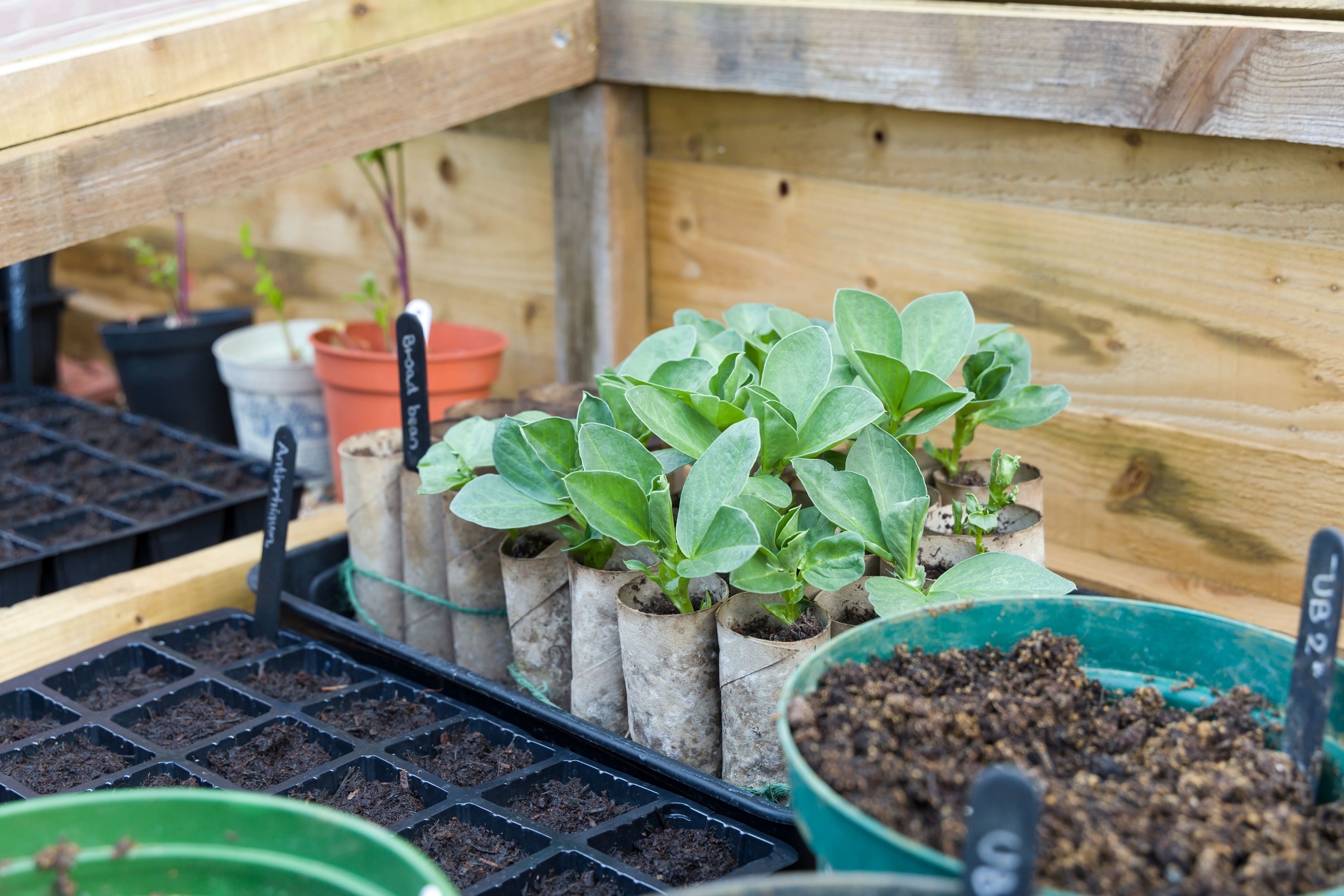
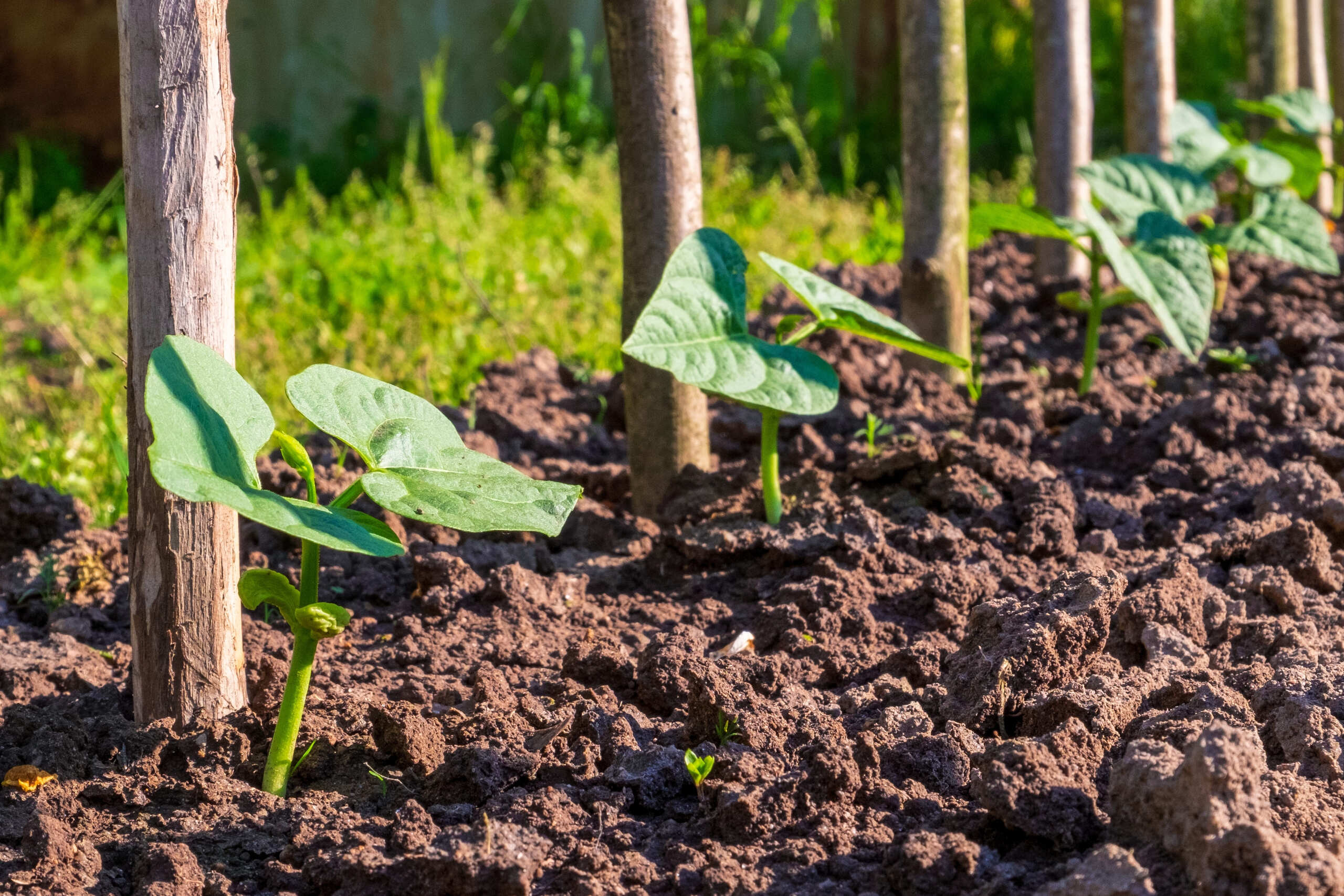
This is a month for windowsills, propagators and cold frames as much as it is for borders, so if the ground’s frozen solid or waterlogged, don’t worry: there’s still a head start to be had on the year ahead.
The main thing to watch this month is protection. New sowings won’t cope with hard frost or sitting in wet compost, so keep them somewhere sheltered, and hold off planting straight into ground that’s frozen or sodden until conditions ease.
Things to eat
Most of this month’s vegetable sowing happens under cover — a sunny windowsill, a heated propagator, or a cold frame will do the job while the weather outside makes its mind up.
• Broad beans – Sow a hardy variety in deep modules or root trainers under cover, ready to plant out once spring arrives.
• Onions and shallots – Sow onion seed in a propagator or greenhouse now to give them the long season they need.
• Hardy salad leaves and herbs – Winter lettuce, spinach, mustard leaves, parsley and coriander can all be started on an indoor windowsill for an early pick.
• Chillies and aubergines – These need a long run-up to fruit, so get them going now on a warm windowsill or in a propagator.
• Seed potatoes – Stand your first earlies in egg boxes in a light, cool, frost-free spot to chit ahead of spring planting.
• Bare-root fruit – Raspberry canes, blackberries and fruit trees can go straight into the ground, as long as the soil isn’t frozen or waterlogged.

For early colour
A grey January garden doesn’t have to stay that way. You can bring in instant colour with established winter-flowering plants, or sow now for blooms later in the year.
• Snowdrops, in the green – Best planted while actively growing rather than as dry bulbs — go for a damp, shaded border or a patch of lawn.
• Hellebores – These hardy perennials will flower through the cold in a shady border or a large pot by the door. See our deep dive into Hellebores below!
• Winter pansies and violas – Tough as they come, and happy to flower on through frost and snow in containers or window boxes.
• Scented winter shrubs – Sarcococca, daphne and witch hazel all earn their keep this month, bringing colour and a surprisingly strong scent to the garden.
• Sweet peas – Sow into deep pots on a cool, bright windowsill now for sturdy, well-rooted plants ready for early summer flowering.
• Hardy bedding seeds – Snapdragons, begonias and geraniums started in a heated propagator now mean cheap, generous summer bedding later.
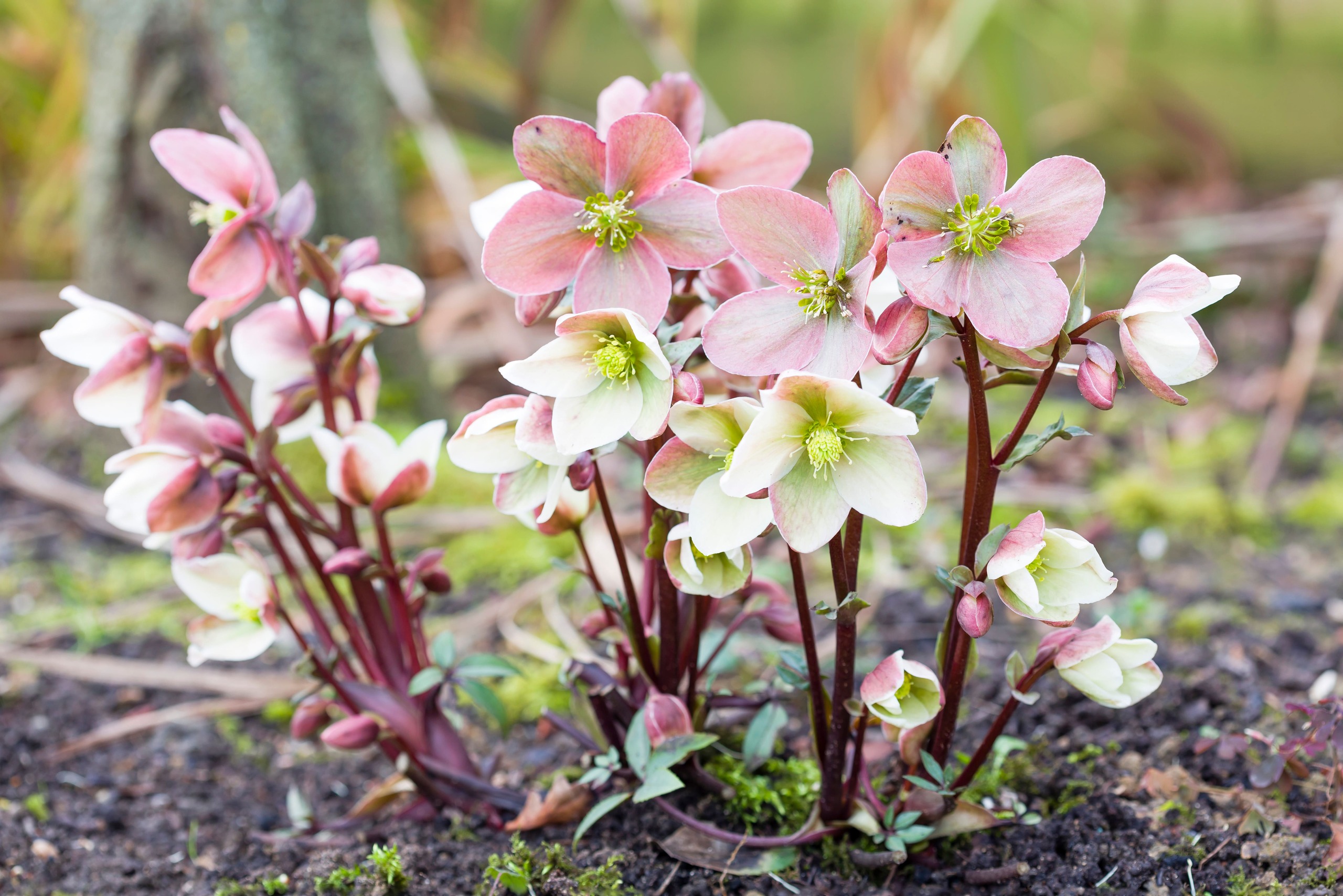
When most sensible plants are still fast asleep, along come hellebores, flowering away as if nobody told them it was winter.
What exactly is a hellebore?
Also known as the Lenten rose (despite having nothing to do with roses), hellebores are tough, evergreen perennials that flower from midwinter right through to early spring. Their nodding flowers come in whites, pinks, plums and near-blacks, held above handsome dark green foliage.
Can you plant them in January?
Yes — hellebores are usually sold as pot-grown plants, so they can go in the ground any time the soil isn’t frozen solid or waterlogged. Many gardeners prefer autumn or early spring for easier establishment, but a considered January planting will do just fine — just mulch afterwards to protect the roots while they settle in.
Where to plant them
Hellebores are woodland plants at heart, so they’re at their best in partial shade — think under deciduous trees or shrubs, where they’ll get a bit of winter sun once the leaves have dropped. They like a moist but well-drained soil, ideally with some organic matter worked in.
Looking after them
Hellebores are low-maintenance once established, which is exactly what you want from a January flower. A few pointers:
• Cut back old leaves in late autumn or early winter, just before flowering starts. This tidies the plant up and helps show off the blooms.
• Mulch annually with well-rotted compost or manure to keep moisture in and feed the roots.
• Leave them be once planted — hellebores resent disturbance and can sulk for a season or two after being moved.
• Watch for leaf spot, a fungal issue that shows up as dark blotches. Removing affected leaves promptly usually keeps it in check.
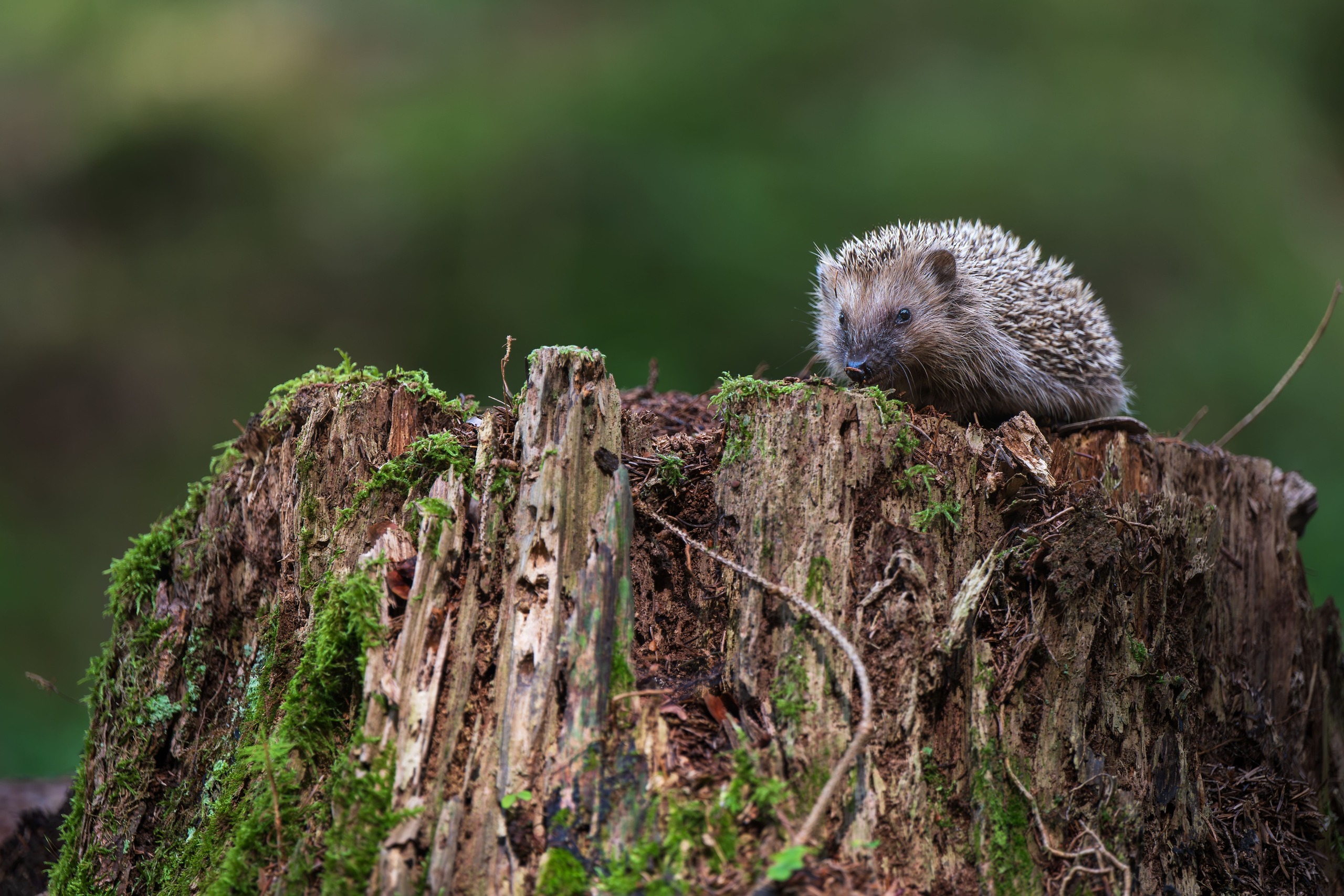
Whether your garden is spacious or compact, there are a number of ways you can make it more eco-friendly this year.
• Reduce pesticide and fertiliser use – Insecticides, fungicides and herbicides kill insects and the plants that they need to survive. Additionally, pesticides and fertilisers can eventually find their way into rivers and streams, killing fish and invertebrates. Opt instead for organic methods of pest control and fertilisation.
• Composting – By continually composting, you gain a free source of nutrition for your plants and produce, whilst also providing a home for wildlife that may feed on or burrow in compost heaps.
• Utilise your space – Adding as much greenery to your home and garden as possible comes with a number of benefits, from absorbing CO2 to preventing pollution from entering the home. Hedges, plants, window boxes and arches are all fantastic ways to fill excess space and help the planet in the process.
• Switch from store-bought to home-grown – Reduce food miles and pesticide use by growing fruit, veg and herbs at home. Salad leaves, courgettes, onions, tomatoes and peppers are all good options for beginners.
• Look out for wildlife – Loss of habitat contributes heavily to the reducing numbers of many wildlife species. Helping to reverse this decline is possible through the planting of pollinator-friendly flowers, food plants for caterpillars, and creating safe habitats, such as log piles, for hedgehogs and other small mammals.
• Save and recycle water – Adding a water butt to your garden provides an environmentally friendly way to water your plants. Visit us in-store to view our range of water butts.

Both our centres stock ready-to-burn, kiln-dried firewood logs, as well as smokeless coal.
Stock up now and take advantage of our three hot offers on firewood – available from Brigg and Midgley. Call now to arrange your delivery*!
Our firewood centre at Midgley also stocks products such as log stores and fireside accessories – discover our full firewood range here.
Click here to view our helpful guide on choosing the right firewood logs for you.
*to our normal delivery zones
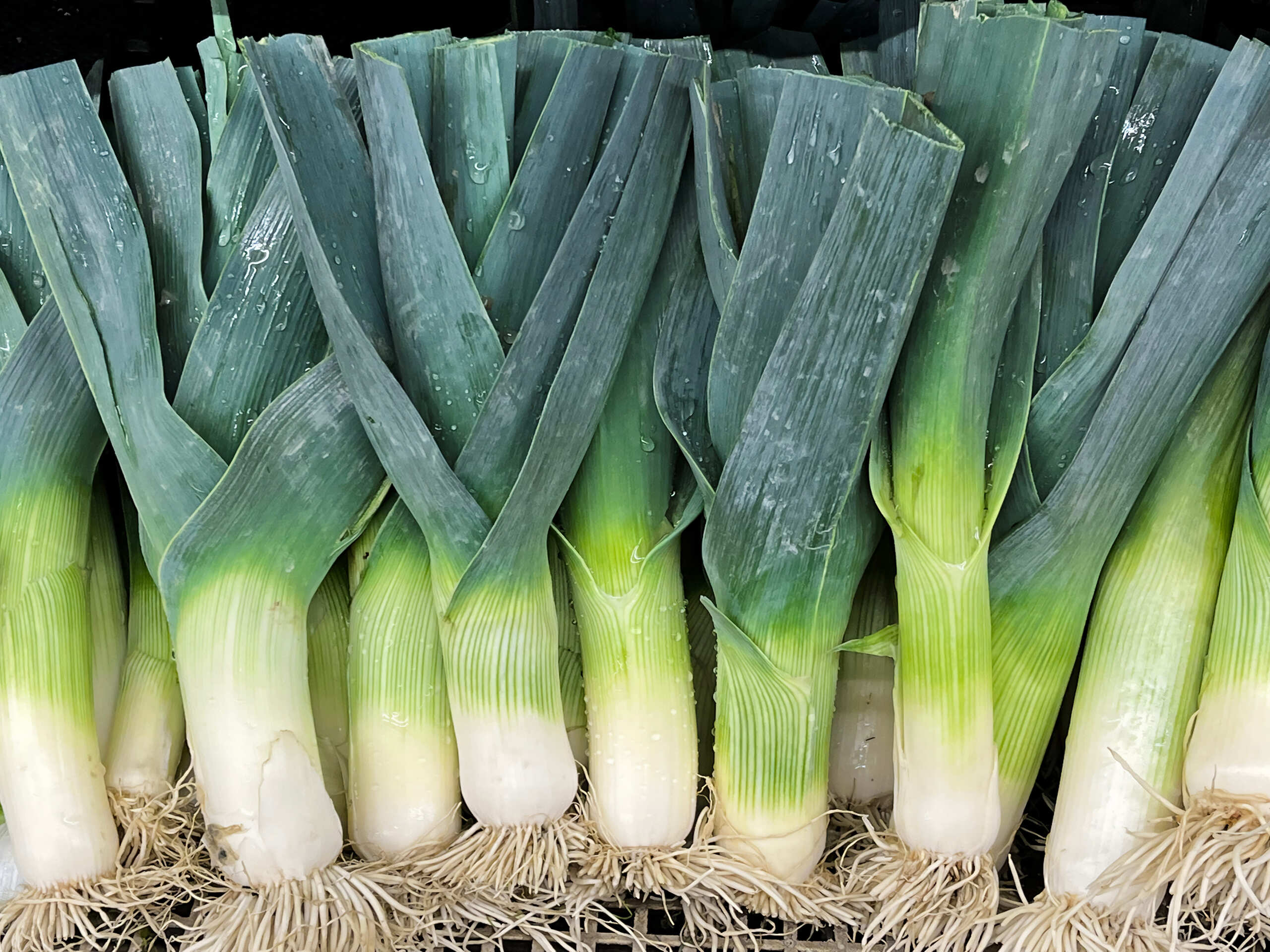
• Harvest cauliflower – About two weeks after blanching, or covering the heads, your cauliflower will be ready to harvest. Harvest when the heads are at least 15cm across, but prior to the flower starting to separate.
• Harvest leeks – Harvest just before you plan to use them, as leeks do not store well. Wash carefully to remove any soil trapped between the leaves.
• Harvest winter cabbages – Provided they are netted to provide protection from birds, winter cabbages can be left in the ground until required.
• Harvest kale – When the leaves reach 20cm, harvest kale and discard the thick central vein.

Sales and advice  01924 830055