Please add image or text logo



Here is our monthly round-up of news, tips and ideas to make the most of your garden this June!
As we transition into June, the promise of warm, sunny days can only mean one thing – summer is on its way.
In this month’s round-up:
• June garden checklist
• Prepare for barbecue season
• Order from home with our online enquiry service
• What to sow and grow in June
• A handy guide to shade-loving plants
• Announcing BBC Gardeners’ World live 2026
• Go 30 days wild with The Wildlife Trusts
• What to harvest in June
• Book of the month
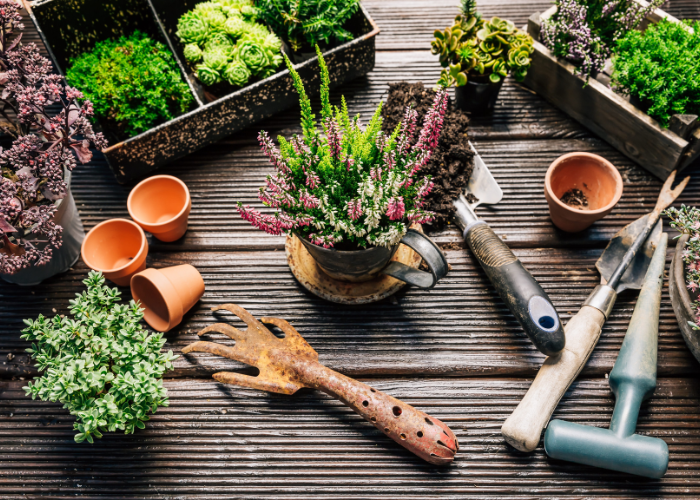
Here are some important tasks to undertake this month:
• Clip evergreen hedges – Privet, box and yew, as well as other evergreen hedges, should be clipped while they are in active growth.
• Check for dry soil – Assess your plants daily, particularly new fruit trees and shrubs, to see if any need watering.
• Remove scarlet lily beetles – These bright red beetles will eat just about every part of a flower if they can – particularly lilies and fritillaries. Look out for the brown larvae they leave on the undersides of leaves.
• Thin out fruit tree branches – Although ‘June drop’ means that some fruit will naturally be lost, decongesting the branches of your fruit trees can lead to larger, healthier crops.
• Harvest lavender flower heads – Use the heads from your lavender plants in baking, crafting or to garnish your meals!
• Keep on top of weeding – Avoid the risk of plants having to compete against weeds for water, light and nutrients!
• Prevent wind damage – Continue to thin out clusters of hardy annual plants in order to avoid overcrowding.
• Avoid overcrowding – Provide wooden stakes for tall perennial plants to avoid wind damage.
Visit either of our centres to pick up essential gardening tools!
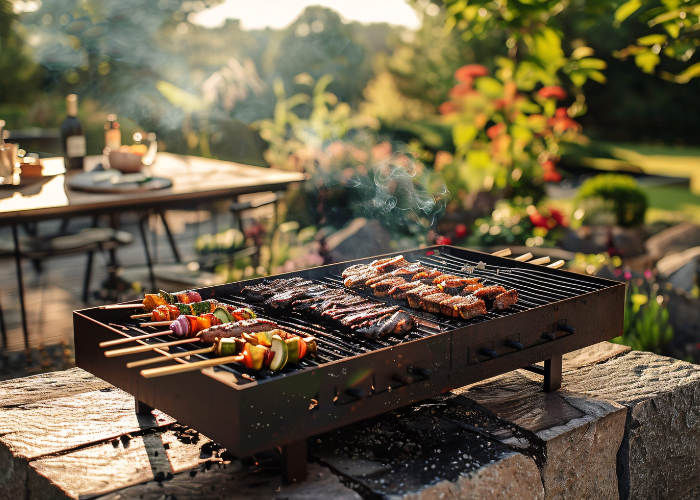
June is outdoor dining and barbecue season. Take advantage of the warm weather and create an outdoor dining space to enjoy al-fresco meals and soak up the summer atmosphere.
We have a range of firepits and chimeneas in stock for all your outdoor dining needs – our fire pits come with optional barbecue grill griddles.
To light your barbecue, we have lumpwood charcoal available all year round. Our charcoal burns efficiently and at a consistent heat, making it perfect for barbecuing steaks, burgers and bangers!
If you love the flavour of wood cooked food, both our centres stock ready to burn, kiln-dried firewood logs all year round!

Our online enquiry service adds a personal touch and invaluable advice to the convenience of online ordering, in three simple steps!
Step One – Simply browse our product pages
Step Two – Add the items you need to an enquiry list
Step Three – Email it to us
We will check it over, call you with any suggestions, take payment and then organise delivery.
A quick and easy way to get an accurate costing and quick delivery of everything you will need!
• Pak choi – Perfect for salads, this oriental vegetable can be harvested after 30 days for young leaves, or after 45 days for a ‘heart’.
• Broccoli – Late-sprouting varieties of broccoli, such as calabrese, can still be planted now and are best when sown into pots of multipurpose compost. When harvesting, cut the head before the florets begin to open, and the plant should continue to produce new heads.
• Spring onions – This space-saving vegetable can be sown now for harvest in autumn.
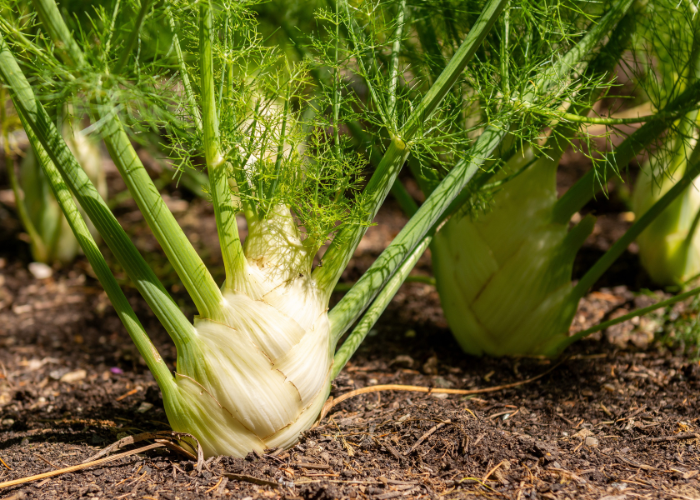
• Florence fennel – Begin sowing Florence fennel now for harvest around September.
• Nasturtiums – These colourful, edible, trumpet-shaped plants are easy to grow and make are a great companion for vegetable crops.
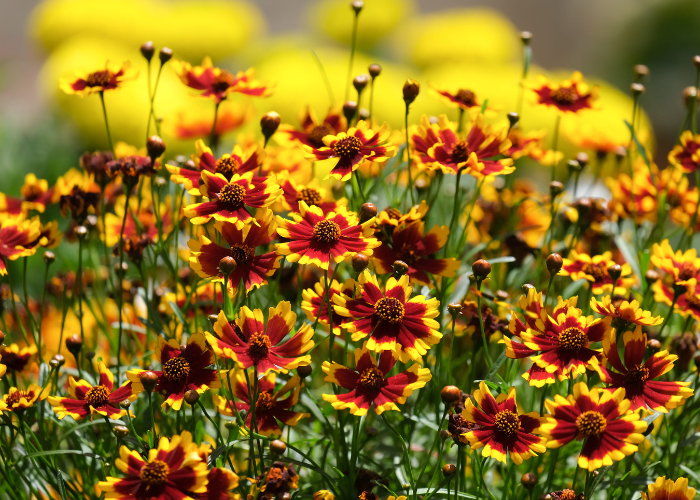
• Coreopsis – June is the last month for growing Coreopsis outdoors, though they are also one of the best plants for containers.
• Candelabra primulas – June is the perfect time to sow new Candelabra primulas seeds and create a vibrant display, as any that had been previously sown will have just finished blooming.
• Bedding plants – There is still time to plant out bedding and create a riot of colour that will last until autumn. Petunias, geraniums, pansies, dahlias and fuscias are reliably colourful favourites. Call into one of our centres for perfect planters, compost and plant food.
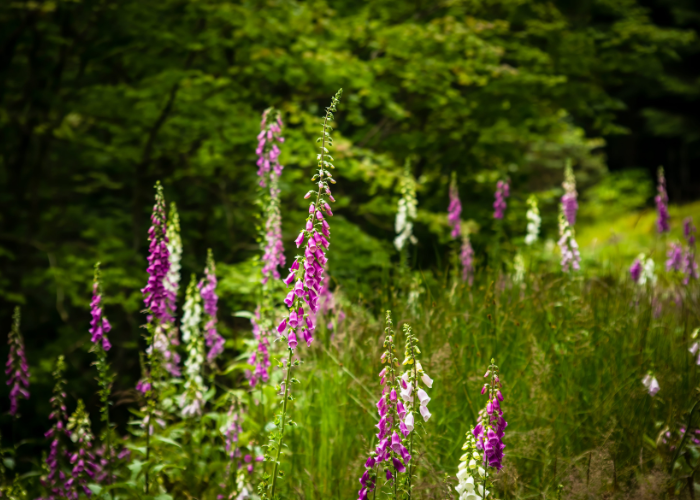
There are plenty of plants that can thrive in lower light conditions, helping to bring colour and texture to more shaded corners of your garden.
When choosing plants for shade, it is important to remember that too many dark greens can make a shady area look gloomy. To brighten darker areas, choose hardy plants with pale flowers or variegated foliage, such as:
• Foxgloves – Perfect for woodland-style gardens and great for pollinators.
• Hellebores – Ideal for dry shade, with beautiful winter and early spring flowers.
• Lungwort (Pulmonaria) – Excellent ground cover with attractive spotted foliage.
• Astilbes – Add height and colour with feathery blooms in damp, shady spots.
• Heucheras – Grown for their striking foliage in shades of green, purple and bronze.
• Hardy geraniums – Easy to grow and brilliant for suppressing weeds in shady borders.
• Solomon’s seal – Elegant arching stems with dangling bell-shaped flowers for a classic cottage garden style.
• Bellflowers (Campanula) – Great for adding soft colour and attracting bees to partially shaded borders.
• Wood spurge (Euphorbia amygdaloides var. robbiae) – A reliable evergreen for dry shade with vibrant lime-green flowers.
• Ivy – An easy-to-grow evergreen climber that can soften walls, fences and pergolas in shaded areas.
• Himalayan Blue poppy (Meconopsis) – Known for its striking sky-blue flowers, this plant thrives in cool, moist, partially shaded spots with rich soil.

BBC Gardeners’ World Live will be back from the 18th – 21st of June! This year’s line-up is set to include Monty Don, Adam Frost, Frances Tophill and Jordan Weston.
Whether you’re an experienced gardener, a novice, or simply someone who appreciates the beauty of nature, this event has something for everyone.
There’s still time to book your tickets, learn more here.

30 Days Wild is the UK’s biggest nature challenge. Each year, The Wildlife Trusts invite people across the country to take part in one wild activity every day in June.
Connect with wildlife, boost your well-being, and make a positive impact on the environment!
Why not visit our Midgley centre and enjoy our woodland walk? We have two nature trails of differing lengths for you to explore, with historical facts about the area dotted throughout.
Find out more and sign up here.
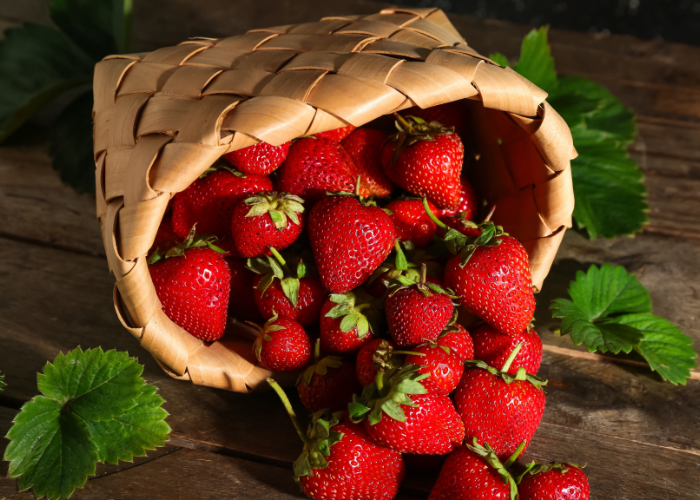
• Broad beans – Seeds sown in autumn or under cover in early spring should be ready to harvest this month. Be sure to pick the pods by gently twisting at the base of the plant.
• New potatoes – Both “first early” and “second early” cultivars should be ready to dig up mid-month.
• Beetroot – Seeds sown in March will now be ready to harvest. Beetroot can be sown until July and harvested until October.
• Strawberries – Harvest from June onwards, make sure the berries are nice and ripe before picking.
• Spring Onions – Seeds sown in March should now be ready to harvest, keep sowing seeds every 2 to 3 weeks if you want a steady supply over summer.
• Gooseberries – If you want to try your hand at making jams or tarts, you can harvest underripe gooseberries this month. Leave some fruits on the plant to further ripen for July.
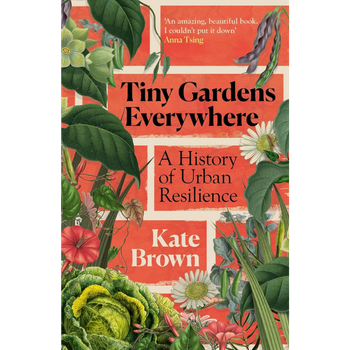
Tiny Gardens Everywhere: A History of Urban Resilience by Kate Brown
A big history of little spaces, of nature in urban life, and of gardeners and their gardens through time.
Available from Amazon here.
“The glory of gardening: hands in the dirt, head in the sun, heart with nature. To nurture a garden is to feed not just the body, but the soul.”
– Alfred Austin

Sales and advice  01924 830055